Saklıkent Canyon Guide: What Visiting Actually Involves
Can you visit Saklıkent Canyon in sandals or flip-flops?
Only the entrance boardwalk and riverside restaurant platforms are flip-flop friendly. Going further into the canyon means wading through cold, fast-moving water over a slippery rocky riverbed, which requires proper closed-toe water shoes or trainers with grip.
Photos of Saklıkent Canyon tend to show one of two things: a wooden boardwalk clinging to a cliff wall above turquoise-green water, or someone waist-deep in a narrow gorge, arms braced against the current. Both are real, and both are “Saklıkent” — but they are not the same visit, and a fair number of people show up dressed for the first one when they actually meant to do the second.
This guide separates the two experiences, explains what the wading route really demands, and covers the practical details — footwear, timing, cost, and how to combine it with the rest of the Lycian coast — so you can pick the version that matches your group and your shoes.
Two very different ways to experience the gorge
Saklıkent (the name means roughly “hidden city” in Turkish) is a narrow limestone canyon carved by meltwater flowing down from the mountains above Fethiye, on Turkey’s Lycian coast. The entrance area is developed and easy: a paid gate, a wooden boardwalk bolted to the canyon wall a few metres above the river, and a cluster of riverside restaurants built on platforms right over the shallow water, feet dangling in the current while you eat. This part is genuinely accessible to almost anyone — flip-flops, small children, grandparents, all fine.
Past the boardwalk, the canyon narrows and the maintained path runs out. From there, going further into the gorge means getting into the river itself: wading through cold, fast-moving water over a rocky, uneven, and often slippery riverbed, with the canyon walls closing in overhead. Depth varies through the season and by how far you go, from ankle-deep to waist-deep in places. This is the part that photographs so well and that catches out visitors who assumed the whole site would be as tame as the entrance.
Neither version is “better” — they’re different outings. The boardwalk-and-lunch visit is a pleasant half-hour stop; the wade upstream is a proper, engaging adventure that rewards a reasonable level of fitness, confidence in moving water, and the right footwear.
What the wading route actually demands
If you’re planning to go beyond the boardwalk, a few things matter more than they might seem to from photos:
- Footwear. Flip-flops and backless sandals come off in the current almost immediately, and bare feet on wet, algae-covered rock are genuinely risky. Closed-toe water shoes, or old trainers you don’t mind getting soaked, are the practical choice. Some tour operators rent or provide basic water shoes on-site; check in advance if you don’t want to bring your own.
- Cold water. The river is fed by snowmelt and mountain springs, so it stays cold even when the coast is baking in July and August heat. That’s a large part of the appeal in peak summer, but it means the wade isn’t a gentle paddle — it’s bracing, and can be genuinely cold if you’re in the water for an extended stretch.
- Current and footing. The riverbed is uneven rock, not sand, and the current has real force in the narrower sections. Going slowly, using trekking poles or a guide’s offered hand where available, and accepting a slower pace than a normal walk all make the difference between an enjoyable wade and a slip.
- Fitness and confidence in water. This isn’t a technical activity, but it does ask more of your body and balance than the boardwalk does. Visitors in reasonably good physical shape, comfortable being off-balance in moving water, tend to enjoy it most. It’s a poor match for very young children, anyone with mobility issues, or a member of the group who is anxious in strong current.
- What to bring. A dry bag or waterproof phone pouch, a change of clothes for afterward, a towel, and sun protection for the drive in and out (the gorge itself stays shaded and cool). Leave valuables and anything you can’t risk getting wet in the car or with a guide.
None of this makes Saklıkent dangerous for a reasonably careful visitor — thousands of people wade through it every season. It just isn’t the same low-effort stop as the entrance boardwalk, and treating it that way is where people get an unpleasant surprise.
Weather and seasonal conditions
Because Saklıkent is a narrow gorge fed entirely by mountain water, conditions can change with the weather upstream, not just at the gorge itself. Heavy rain in the surrounding mountains can raise the water level and current speed within the canyon fairly quickly, and the site can close to visitors when conditions are judged unsafe. If there’s been significant rain in the region in the day or two before your visit, it’s worth checking current conditions — through your tour operator or the site itself — rather than assuming access will be open and calm.
Outside of unusual weather, the general seasonal pattern is:
| Season | What to expect |
|---|---|
| Late spring (May–June) | Higher water levels from snowmelt, stronger current in the narrows, very cold water — striking scenery, but the wading route can feel more demanding |
| Summer (July–August) | Lower, calmer water levels than spring, still cold relative to the outside air — the most popular and generally most comfortable time to wade |
| Early autumn (September) | Similar to summer, water levels typically continuing to drop, fewer crowds |
| Winter | Entrance and boardwalk generally still viewable, but the gorge itself is far less commonly visited and conditions are less predictable — check ahead |
Getting there and visiting independently vs. on a tour
Saklıkent sits inland from Fethiye, a considerable drive from the main Antalya-region resort towns — this is not a quick add-on if you’re based in Antalya, Belek or Side city itself. Most visitors from those areas reach it as part of a full-day tour that also covers other Lycian coast highlights, rather than as a standalone trip.
Independent visitors based in or near Fethiye can reach the gorge by dolmuş (local minibus) or rental car relatively easily, paying the entrance gate fee directly and organising their own time in the canyon. This suits travellers who want to linger, come back for a second visit, or combine it with their own itinerary around Fethiye and Ölüdeniz.
For visitors coming from further along the coast — Kaş, Kalkan, or day-trippers from Antalya-area resorts — a guided tour is generally the more practical option, since it bundles transport, a guide familiar with current conditions in the gorge, and often a stop at one or more nearby sights on the same day.
a full-day tour from the Fethiye and Ölüdeniz area covering Kaş, Kaputaş Beach and Saklıkent Canyon is a practical way to see the gorge alongside two of the coast’s best-known viewpoints in one day. For a similar route with a scuba-diving option folded in for divers in the group, this Fethiye departure combining Kaş diving, Kaputaş Beach and Saklıkent covers the same ground with an underwater option added.
Travellers based further along the coast toward Kaş and Kalkan have their own versions of this route. a Kaş-based day out taking in Kaputaş Beach, Saklıkent Canyon and the Patara coastline pairs the gorge with the long sandy stretch at Patara. For visitors wanting the wading route specifically as a dedicated activity rather than a multi-stop sightseeing day, this trek-focused departure from Kalkan combining Saklıkent Gorge with the Gizlikent Waterfall puts more emphasis on the walking and wading itself.
Those wanting a broader loop of the Lycian coast’s resort towns and beaches, with Saklıkent as one stop among several, might prefer a guided circuit covering Ölüdeniz, Kaş, Kalkan and Patara Beach from the Fethiye area.
Combining Saklıkent with the rest of the Lycian coast
Because Saklıkent sits well inland from the beach towns that most visitors are actually staying in, it works best folded into a wider day covering the coastline nearby rather than visited alone. A typical pairing looks like:
| Nearby stop | Why it pairs well |
|---|---|
| Kaputaş Beach | A short stretch of dramatic turquoise cove, easily combined on the same coastal drive |
| Patara | Ruins plus one of the region’s longest sand beaches, a natural add-on for a full day out |
| Kaş | A relaxed harbour town with its own boat trips and diving, often the base for gorge day tours |
| Kalkan | A quieter, upscale alternative base to Kaş, with similar access to the gorge |
| Ölüdeniz | The lagoon and beach near Fethiye, easily combined if departing from that end of the coast |
Travellers building a longer route through the region sometimes also fold in Pamukkale or a wider Lycian coast loop, though that generally means treating Saklıkent as one stop within a multi-day itinerary rather than a single day trip.
Jeep safaris and multi-site combinations
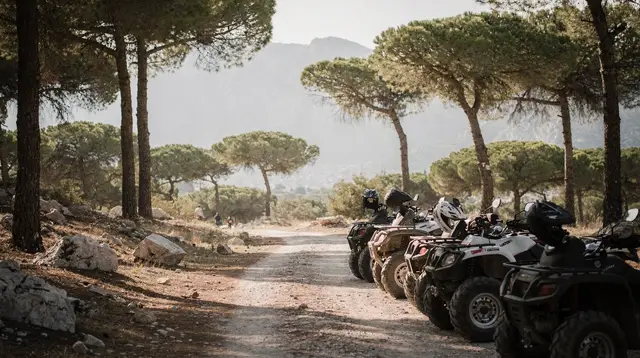
Alongside the standard day-tour format, several operators run Saklıkent as part of a jeep safari, which trades some of the sightseeing-bus polish for a more active day covering multiple inland and coastal stops. a jeep safari linking Saklıkent with the Gizlikent Waterfall and the ancient site of Xanthos is a good option for travellers who want the gorge plus a couple of quieter, less-visited stops on the same day rather than the busier Kaş–Kalkan beach circuit.
A similar format is available from the Kaş and Kalkan side: this jeep safari from Kaş and Kalkan covering Saklıkent, Patara and Kaputaş Beach folds the gorge into a mixed itinerary of beach time and canyon wading, with off-road transport between stops rather than a standard coach.
For travellers based specifically in Kalkan who want a tour built around that town’s own departure point, this Kalkan departure combining Saklıkent Canyon and Patara Beach keeps the day to two well-matched stops — a cold-water canyon wade in the morning, a long sandy beach for the afternoon — without the extra driving that a longer multi-town circuit involves. It’s worth comparing a few of these options by departure point and by how many stops are included: a tighter two- or three-site day generally leaves more actual time in the water at Saklıkent than a tour that tries to cover five or six sights in one loop.
Travellers with more time on the Lycian coast sometimes extend beyond Saklıkent, Kaputaş and Patara to the rock tombs and ancient city near Myra and Demre, or the part-submerged ruins around Kekova — both reachable from the same Kaş/Kalkan base, though typically as a separate day from the canyon rather than combined with it given the driving distances involved.
What to pack for the day
- Quick-dry shorts, leggings or a swimsuit worn under your clothes
- Closed-toe water shoes or old trainers with grip (flip-flops are fine only if you’re staying on the boardwalk)
- A dry bag or waterproof phone pouch
- A full change of clothes and a towel for afterward
- Cash for the entrance gate and riverside restaurants, which don’t reliably take cards
- Sun protection for the drive and any time spent outside the shaded gorge itself
Frequently asked questions about visiting Saklıkent Canyon
Do I need to swim at Saklıkent Canyon?
Not usually. Most visitors wade rather than swim, with water depth varying from ankle-deep to waist-deep depending on the season and how far upstream you go. Swimming isn’t the point of the walk-in route; bracing against a cold current on a rocky bed is.
How cold is the water in Saklıkent Gorge?
Cold year-round, since it’s fed by snowmelt and springs from the surrounding mountains. Even in peak summer heat, the water inside the canyon stays noticeably chilly, which is part of why it’s a popular escape from the coast’s July and August temperatures.
Is Saklıkent Canyon suitable for young children or elderly visitors?
The boardwalk and riverside area near the entrance suit most ages and fitness levels. The wading route upstream, with its current, slippery rocks and cold water, is better suited to visitors in reasonably good physical shape and confident on their feet; it is not the easiest choice for young children, elderly visitors, or anyone unsteady in moving water.
What should I wear to Saklıkent Canyon?
Quick-drying shorts or leggings, a swimsuit under your clothes, and closed-toe water shoes or old trainers with decent grip. Flip-flops and sandals without a heel strap tend to get sucked off in the current or slip on wet rock.
Can Saklıkent Canyon close due to weather?
Yes. Because it’s a narrow gorge fed by mountain water, heavy rain upstream can raise water levels and flow speed quickly, and the site can close for safety when conditions turn risky. It’s worth checking conditions on the day if rain has been heavy in the region.
How long does a visit to Saklıkent Canyon take?
A relaxed visit to the boardwalk, restaurant platforms and shallow river edge can be an hour or two. Adding a proper wade into the gorge, plus time to dry off and eat afterward, generally makes it a half-day outing once travel time from the coast is included.
Is Saklıkent Canyon near Fethiye or near Antalya?
It’s in the Fethiye area, on Turkey’s Lycian coast, a considerable distance west of Antalya city itself. Most visitors from the Antalya region reach it via a day tour that also covers Kaş, Kalkan, Kaputaş Beach or Patara, rather than as a standalone trip from Antalya city.
Hiking and Cycling
Verified deep-linked GetYourGuide tours. Book through these links and we earn a small commission at no cost to you.
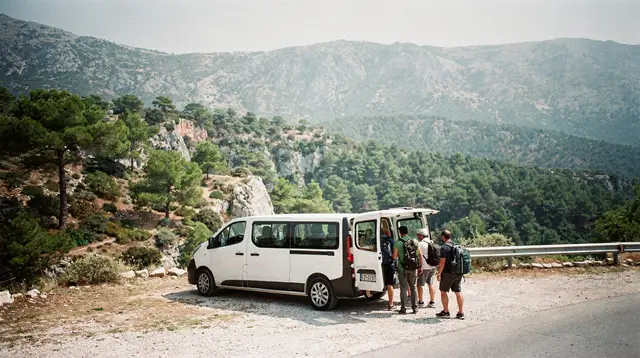
GetYourGuide does not provide a product photo for this activity — the image shows the meeting point, photographed by us.