Most of the beaches around Antalya are built up in some way — a promenade, a row of sunbed concessions, a hotel strip a few steps back from the water. Patara isn’t. It’s roughly 18km of pale sand backed by rolling dunes and scrubby hills, with almost nothing built on it, tucked a short drive south of Kalkan on the western end of the Lycian coast. Behind the dunes, a five-minute walk from the sand, sit the quiet ruins of ancient Patara — a once-major Lycian port city that’s now mostly grass, rubble and a handful of striking standing monuments, visited by a fraction of the crowd that fills Aspendos or Perge.
The two things — beach and ruins — sit on one combined entry ticket and one road in, which makes Patara an easy half-day or full-day stop from Kalkan, Kaş, or a longer Lycian coast loop. It’s also, notably, a protected nesting beach for loggerhead sea turtles, which shapes what you’ll see and what’s off-limits depending on when you visit.
Getting to Patara
Patara sits on the Lycian coast between Kalkan and the town of Kaputaş beach, reached via a signed turn-off from the coastal highway that leads down through a stretch of greenhouses to a single entrance gate — you pay once here for both the beach and the archaeological site.
From Antalya city or the airport, it’s a drive of around 190 km, generally taking about 3 to 3.5 hours depending on traffic and how the road through the mountains is running that day — this is Lycian coast driving, with a lot of curves, so don’t expect flat-road speeds. Most visitors don’t drive here directly from Antalya for a single day; it’s a far more natural stop from a base in Kalkan or Kaş, both a short 15-20 minute drive away, or as one leg of an organised day trip that also covers Saklıkent Gorge and Kaputaş beach.
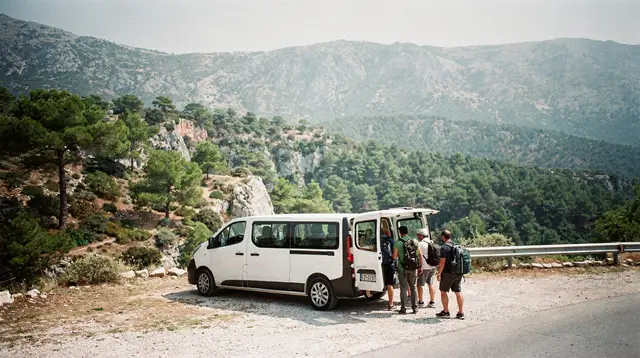
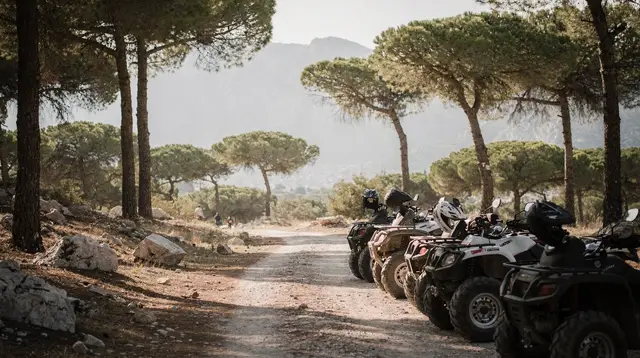
If you’re not driving yourself, a guided day trip solves the logistics in one go. The Kaş and Kalkan Saklıkent Patara and Kaputaş jeep safari strings together the gorge, this beach and the cove in a single day, which suits travellers based in either town without a rental car. A similar option departing from Kalkan itself, the Kalkan Saklıkent Canyon and Patara beach tour, covers the same combination with pickup closer to town.
The beach: dunes, not sunbeds
Patara’s beach is long enough that even in peak August it rarely feels crowded the way Lara or Konyaaltı can — walk a few hundred metres from the entrance and you’ll often have long stretches of sand largely to yourself. The dunes behind the beach are a genuine landscape feature, not landscaping, rising and dipping in soft golden ridges that give the whole place a slightly wild, undeveloped feel compared to most Turkish resort beaches.
There is a modest strip of facilities near the main entrance — some shade umbrellas and sunbeds for rent, a couple of snack stands, toilets and showers — but nothing like the beach clubs and loungers found along Konyaaltı or the Kemer coast. Bring your own water, sun protection and a beach mat if you plan to walk beyond the developed section, since shade thins out quickly the further you go.
The sea here shelves gently and the sand continues underwater, making it comfortable for swimming and reasonably good for families, though as with most open Mediterranean beaches there can be a bit more wave action than in the sheltered coves further along the coast, like Kaputaş.
A protected turtle nesting beach — what that means for visitors
This is the detail that sets Patara apart from almost every other beach covered on this site: it’s a designated nesting site for the loggerhead sea turtle (Caretta caretta), one of a small number of beaches on Turkey’s Mediterranean coast where these turtles come ashore to lay eggs.
In practice, this means:
- Seasonal restrictions apply. During the nesting and hatching season (broadly summer months), parts of the beach may be roped off, and night-time access is restricted or prohibited in nesting zones to avoid disturbing turtles coming ashore or hatchlings making their way to the sea.
- No beach furniture on the open sand. Unlike a resort beach, sunbeds and umbrellas are limited to a designated area near the entrance rather than spread along the full length of sand — part of what keeps the dunes and open beach undisturbed.
- Lights and noise are discouraged after dark, since artificial light can disorient hatchlings trying to find the sea.
- Specific rules, closed zones and dates shift from year to year depending on nesting activity and conservation management, so treat any exact restriction as something to check locally (signage at the entrance, or your tour guide) rather than a fixed rule that never changes.
The upshot is that Patara looks and feels different from a developed beach like Cleopatra Beach beneath Alanya Castle — less infrastructure, more open dune landscape, and a conservation purpose layered on top of the tourism use. It’s worth knowing this going in, both to respect the restrictions and because it explains why the beach isn’t more built up despite being one of the longest and most attractive on this coast.
The ruins of ancient Patara
A short walk or drive from the beach entrance, set back among reeds and dunes, are the ruins of ancient Patara — once one of the most important cities of ancient Lycia, and reputedly the birthplace of the historical St Nicholas (the figure behind the Santa Claus legend, more fully associated with nearby Myra and Demre). Patara was also a major port in its day, and was said to host the region’s Lycian League assembly, though the harbour that once made the city significant has long since silted up and turned into the wetlands and dunes you see today.
Unlike the densely packed, heavily visited ruins at Aspendos or Perge, Patara’s site is spread out and quiet, with grass and wildflowers growing up around scattered columns, a well-preserved triple-arched city gate, a restored Roman theatre, and the remains of a lighthouse near the shore — one of the oldest known lighthouse structures in the world. Because the site sees relatively few visitors compared to the region’s headline ruins, it has a low-key, half-excavated atmosphere that appeals to travellers who prefer wandering without crowds over ticking off a “greatest hits” monument.
The same entry ticket covers both beach and ruins, and there’s no need to choose one over the other — most visitors walk from the ruins straight down to the sand, or vice versa, making a natural half-day loop.
Combining Patara with the rest of the Lycian coast
Patara’s location between Kalkan and Kaş makes it easy to fold into a wider day out along this stretch of coast rather than visiting in isolation. A common combination pairs it with Saklıkent Gorge inland and the small turquoise cove at Kaputaş beach — a contrast of canyon, dune beach and pocket cove all within about an hour of each other, which is exactly what the jeep safari tours mentioned above are built around.
Travellers with more time often extend the day (or a separate day) toward Kekova and the part-submerged ruins visible by boat, or to the rock tombs and ancient theatre at Myra near Demre. The Kaş day trip to Kekova Island and the Kekova sunset tour from Demre both cover that side of the coast for anyone basing themselves in Kaş, Kalkan or Demre for a few days.
For a quieter alternative to the beach and ruins combination, the Patara canoe tour on the Esen River paddles the river that flows down toward the site, past reedbeds and farmland, finishing with lunch — a gentler, nature-focused way to spend a few hours in the same area rather than a beach day.
If you’re planning a longer stay on this side of the coast rather than a single day trip from Antalya, the five-day Lycian coast itinerary covering Kaş, Kekova and Myra and the ten-day Antalya, Lycian coast and Fethiye itinerary both build Patara into a wider route, and the best beaches on the Antalya coast guide puts it in context against the region’s other beach options.
Practical tips for visiting Patara
- Go early or late in the day in summer. Midday heat on open sand and dunes with limited shade is intense in July and August; an early morning or late afternoon visit is more comfortable, and also better light for photos of the ruins.
- Bring cash for the entry ticket and check whether the regional museum pass (Müze Kart / MuseumPass Mediterranean) covers Patara before buying a separate ticket, since coverage and pricing change periodically.
- Wear proper shoes for the ruins. The site is uneven, partly overgrown and requires a fair bit of walking on grass, gravel and low stone — sandals are fine for the beach, less so for the ruin loop.
- Respect roped-off nesting areas if you visit during turtle season — these aren’t arbitrary and exist to protect eggs and hatchlings.
- Bring your own shade and water for the beach beyond the small facilities area near the entrance, especially if you plan to walk further along the sand.
- Check the season before planning a beach-only day. The dune and beach landscape is at its best May through September; outside that window it’s more of a quiet ruins-and-walk destination than a swimming one.
Patara FAQ: beach, ruins and turtle nesting
Is Patara beach the same as the ancient ruins site?
They’re on one combined ticket and reached through the same entrance, but they’re physically separate — the beach is roughly 18km of sand and dunes, while the ruins of ancient Patara sit a short walk inland, near the entrance road. Most visitors see both in one visit.
Why is part of Patara beach restricted in summer?
Patara is a protected nesting beach for the loggerhead sea turtle (Caretta caretta). During nesting and hatching season, roped-off zones and night-time access restrictions protect turtles coming ashore to lay eggs and hatchlings making their way to the sea — specific closed areas and dates vary by year, so check signage locally.
How does Patara compare to Cleopatra Beach in Alanya?
They’re a useful contrast: Cleopatra Beach is a developed, centrally located city beach right below Alanya Castle, with cafés and facilities along the promenade. Patara is a long, largely undeveloped dune beach with minimal infrastructure and a nature-conservation designation — a quieter, wilder alternative rather than a resort-style stop.
How far is Patara from Antalya, and is it a doable day trip?
It’s around 190 km and roughly 3-3.5 hours’ drive from Antalya, so a direct day trip from the city is long. It works much better as a stop from a Kalkan or Kaş base, or as part of a guided day tour that also covers Saklıkent Gorge and Kaputaş beach.
Can you swim at Patara beach?
Yes, swimming is one of the main draws — the sea shelves gently with sand underfoot, and the beach is long enough to spread out even in peak season. Facilities (sunbeds, shade, snacks) are limited to a small area near the entrance rather than spread along the full beach.
Is there an entry fee for Patara?
Yes, there’s a paid entrance covering both the beach and the ancient ruins on one ticket. It’s worth checking whether the regional Müze Kart / MuseumPass Mediterranean applies before paying separately, as coverage can change.
What’s the best time of year to visit Patara?
Late May through September is best for swimming and the full dune-and-beach experience. April, May, September and October are more comfortable for exploring the ruins, with cooler temperatures and thinner crowds, though the sea will be cooler for swimming outside the summer months.
Is Patara good for families?
The gently shelving beach and shallow entry suit families reasonably well, though shade and facilities are limited compared to a resort beach, so bringing your own umbrella, water and snacks is worth it. The ruins involve uneven walking, which is manageable for most children but worth pacing with breaks.