A hillside village, not a beach resort
Kalkan sits on Turkey’s Lycian coast, a steep amphitheatre of whitewashed stone houses tumbling down toward a small harbour lined with yachts and waterfront restaurants. It’s often mentioned in the same breath as Kaş, its neighbour a short drive west, but the two towns feel different on the ground. Kaş is a diving and outdoor-activity hub with a lively, slightly scruffy old town; Kalkan leans upscale and residential, with a large expatriate and villa-rental community, boutique hotels built into the hillside, and a restaurant scene that punches well above its size for a village this small. If Kaş is about getting into the water, Kalkan is about a long dinner on a rooftop terrace with the harbour lights below.
That character comes with a trade-off worth knowing before booking: Kalkan itself has no real sand beach. The harbour area has small platforms and jetties for a swim, and a couple of pebbly coves lie within walking or a short taxi ride, but anyone picturing a wide sandy shoreline steps off the plane in the wrong town. What Kalkan does have is location — it sits almost equidistant between two of the region’s best-known beaches, Kaputaş and Patara, which makes it a comfortable, low-key base for exploring the wider Lycian coast rather than a beach destination in its own right.
Getting to Kalkan
Kalkan is on the western, quieter stretch of the Turquoise Coast, well beyond the Antalya-Kemer-Belek cluster that most first-time visitors land closest to. From Antalya Airport (AYT), the drive is roughly 200-210 km and takes around 3.5 hours by car or transfer, following the coast road through Kemer and past Kaş — a scenic but winding route, so the time on the map understates how long it actually takes compared with a flat highway of the same distance.
Some travellers instead fly into the smaller Dalaman Airport further west, which cuts the drive to Kalkan to roughly 1.5-2 hours, depending on the season’s flight schedule; it’s worth comparing both airports’ fares and routes before booking rather than assuming Antalya is automatically the better gateway for this particular base. However you arrive, private and shared transfers are the norm — public bus connections exist but involve at least one change and take considerably longer.
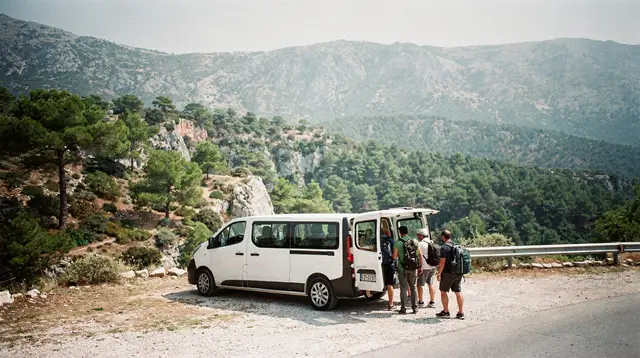
Within the region, a rental car gives the most flexibility for reaching Patara, Kaputaş, Saklıkent and Kekova independently, but organised day trips from Kalkan cover the same ground without the winding mountain driving, which some visitors are glad to hand off to someone else.
What’s actually in Kalkan itself
The village’s charm is largely about wandering rather than ticking off sights. The old town’s narrow lanes climb steeply from the harbour, lined with stone houses — many restored as boutique hotels or rental villas — carved wooden balconies, bougainvillea, and a dense concentration of restaurants and small shops. The harbour itself is the natural evening gathering point: yachts moored along the quay, waterfront tables filling up as the sun drops, and a relaxed pace that contrasts with the bigger package-resort towns further east along the coast.
For a swim without leaving the village, a few small pebble coves and sunbathing platforms sit within a 10-15 minute walk of the centre, and some hotels operate their own small jetties. These are perfectly serviceable for a quick dip but are genuinely modest compared with the open sand at Patara or the cove at Kaputaş — most visitors treat a trip to one of those as the “real” beach day and keep Kalkan’s own waterfront for a sunset drink instead.
Kalkan vs Kaş: which to choose as a base
Both towns sit on the same stretch of Lycian coast and share access to most of the same day-trip destinations, so the choice often comes down to travel style rather than geography.
| Kalkan | Kaş | |
|---|---|---|
| Character | Boutique, upscale, quieter | Livelier old town, more backpacker/diver energy |
| Beach in town | Minimal — small coves/platforms only | Small pebble beaches, better swimming access |
| Diving scene | Limited | Strong — a well-known Mediterranean dive base |
| Dining | Notably strong for its size | Good, more casual/varied price range |
| Accommodation | Villas and boutique hotels, higher average price | Wider range, more budget options |
| Best for | Couples, food-focused stays, villa holidays | Divers, hikers, younger and budget travellers |
Neither is “better” outright — a traveller prioritising scuba diving or a livelier social scene generally does better in Kaş, while one after a quiet, design-led hotel stay with excellent dinners tends to prefer Kalkan. Some visitors simply split a longer trip between the two, since they’re only a short drive apart.
Day trips from Kalkan
Kalkan’s real strength is as a launchpad. Several of the Lycian coast’s best-known sites sit within an hour’s drive or a short boat ride.
Patara, roughly 30-40 minutes away, combines a long, undeveloped sand beach with the ruins of an ancient Lycian port city on the same protected site — one of the longest beaches on this coast and rarely crowded given its size.
Kaputaş, a striking turquoise cove tucked beneath cliffs beside the coast road, is closer still — around 15-20 minutes — though its small size and famous colour mean it gets busy by mid-morning in peak season; an early start helps.
Saklıkent Gorge, inland from the coast, is a narrow canyon partly explored by wading through cold, fast-flowing water; it’s a different kind of day out entirely, and appropriate water shoes matter more than a swimsuit. It can close temporarily after heavy rain due to flash-flood risk, so it’s worth checking conditions in the relevant season.
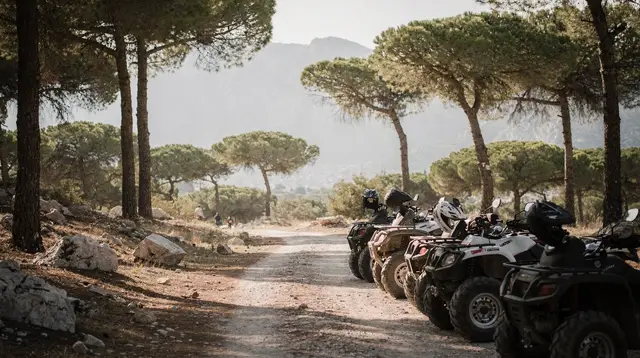
a combined day trip pairing Saklıkent Gorge with Patara beach covers both in one outing without arranging separate transport, and for travellers who also want Kaputaş worked into the same day, a jeep safari linking Saklıkent, Patara and Kaputaş covers all three from Kalkan or Kaş.
Kekova and the part-submerged ruins around it are usually visited by boat rather than by road, since much of the appeal is seeing the sunken structures from the water — swimming directly over the ruins themselves is prohibited by law to protect the site, so this is a viewing trip, not a snorkelling one. a day trip to Kekova Island from Kalkan is the straightforward way to see it, and a boat trip focused on the Kekova sunken city covers the same stretch of coastline with more time on the water.
Myra and Demre, home to extensive rock-cut Lycian tombs, a Roman theatre, and the church linked to the historical figure behind the Santa Claus legend, sit roughly 45 minutes from Kalkan by road and are often combined with Kekova on the same outing — a day trip covering Demre, Myra and Kekova Island together makes a full day of ancient sites and boat views without doubling back.
For a gentler alternative to the gorge, hikers can instead try a trek pairing Saklıkent Gorge with the Gizlikent waterfall, which adds a forested waterfall stop to the canyon walk.
Boat trips and gulet cruises
Kalkan’s harbour is also the departure point for a range of gulet cruises, and for travellers who’d rather spend the day on the water than in a minibus, this is one of the most relaxed ways to see the coastline. a full-day shared gulet cruise with lunch on board typically threads along the coves and headlands near Kalkan with several swim stops, and requires no more planning than showing up at the harbour.
For a different mood entirely, a moonlight evening gulet cruise with dinner swaps the daytime swim stops for a sunset departure and a meal served on deck as the lights of the harbour recede — a popular choice for couples and honeymooners, who make up a good share of Kalkan’s visitors in the first place.
These cruises generally cover a shorter stretch of coast than the boat trips to Kekova further east, so they suit travellers who want a lower-key day on the water rather than a full sightseeing itinerary. For more detail on operators and routes, see the Kalkan boat trips guide.
Saklıkent and Patara in more depth
Saklıkent Gorge and Patara beach are close enough to Kalkan, and different enough in character, that they’re worth understanding on their own terms rather than just as stops on a combined tour.
Saklıkent is a narrow limestone canyon carved by meltwater from the surrounding mountains; the entrance area has wooden platforms and a riverside restaurant, but the gorge itself quickly narrows into a cold, fast-flowing channel that most visitors wade through rather than swim. Footwear matters more here than almost anywhere else on this coast — the riverbed is uneven and the current has real force in places, so sandals that stay on and grip well are worth packing rather than relying on rental options at the entrance. The full guide covers access, what to expect on the walk, and timing: Saklıkent Gorge guide.
Patara pairs an exceptionally long, largely undeveloped beach with the ruins of an ancient Lycian city set back from the sand — a combination that makes it feel closer to a nature reserve than a typical resort beach. Because the site sits within a protected dune system, development around it is deliberately limited, which is part of why the beach stays uncrowded even at a considerable length.
Travellers wanting to combine the two sites without renting a car can look at a canoe tour on the Esen River near Patara with lunch included, which adds a paddling element to a day that would otherwise be a straightforward beach visit. More detail on the site itself is in the Patara beach and ruins guide.
Getting around once you’re there
Kalkan’s old town is pedestrian by necessity — the lanes are steep, narrow, and in places stepped, so cars mostly stay on the perimeter road above the harbour. This makes the village pleasant to wander but means hotels near the top of the hill involve a genuine climb back from dinner; it’s worth checking a hotel’s exact position relative to the harbour before booking, especially for travellers who’d rather not manage steep steps repeatedly each day.
For reaching the airport at the start or end of a trip, a private transfer between Kalkan or Kaş and Antalya Airport avoids the change-of-bus routine of public transport and is generally worth the cost given how long the road journey already is. Car rental is the more flexible option for travellers planning to visit several of the day-trip sites independently and at their own pace, though the coast road’s tight bends mean the driving itself takes noticeably longer than the raw distance would suggest.
Where to stay
Kalkan’s accommodation is heavily weighted toward boutique hotels and villa rentals rather than large all-inclusive resorts, which suits the town’s character but means budget options are comparatively limited. Hillside stone-house hotels with harbour views command a premium, especially those with rooftop pools or restaurants; villa rentals, often with private pools, are popular with families and groups splitting the cost. Travellers on a tighter budget may find better value basing themselves in Kaş or further along the coast in Fethiye and visiting Kalkan for a day rather than staying overnight.
Eating in Kalkan
Dining is arguably Kalkan’s single biggest draw relative to its size. The harbour and old town are dense with restaurants ranging from casual meze spots to higher-end kitchens turning out modern Turkish and Mediterranean menus, many with terraces angled toward the sunset over the water. Freshly caught seafood is a strong theme given the harbour setting, and reservations are worth making in peak summer evenings, when the best-positioned tables fill up early.
Frequently asked questions about visiting Kalkan
Does Kalkan have a beach?
Not a large sand beach in the village itself — only small pebble coves and a few sunbathing platforms near the harbour. Most visitors travel a short distance to Kaputaş or Patara for proper swimming.
Is Kalkan or Kaş better to stay in?
It depends on priorities. Kalkan suits couples and travellers wanting boutique hotels, villas and strong dining in a quieter setting; Kaş suits divers, hikers and those wanting a livelier old town with more budget-friendly options nearby.
How far is Kalkan from Antalya Airport?
Roughly 200-210 km, about 3.5 hours by car or transfer along the coast road. Some travellers instead fly into Dalaman Airport, which is closer to Kalkan at around 1.5-2 hours’ drive, depending on the season’s flight schedule.
Can you swim at Kekova’s sunken ruins?
No — swimming directly over the submerged ruins is prohibited by law to protect the site. Kekova is normally visited by boat, with the ruins viewed through the clear water from on board rather than by snorkelling over them.
What’s the best way to visit Patara and Kaputaş from Kalkan?
Both are a short drive from Kalkan and can be visited independently by taxi or rental car, or combined with Saklıkent Gorge on an organised day trip that covers all three without arranging separate transport.
When is the best time to visit Kalkan?
Late spring (May-June) and early autumn (September-October) offer warm weather without the peak-summer heat and crowds, and restaurant terraces and boat trips are noticeably less booked-out than in July and August.
Is Kalkan good for families?
It can work well, particularly for villa stays with private pools, but the lack of a proper in-town beach and the steep, stepped streets of the old town make it a less convenient choice for families with young children than flatter, beach-adjacent bases like Side or Belek.
Does Saklıkent Gorge close in bad weather?
Yes — the gorge can close temporarily after heavy rain due to flash-flood risk, since part of the route involves wading through the riverbed itself. It’s worth checking current conditions before planning a visit, especially outside peak summer.