Kaputaş Beach: The Stairway Cove Between Kaş and Kalkan
What's the catch with Kaputaş Beach?
Kaputaş Beach sits at the bottom of a steep, narrow staircase cut into a cliff face, with no lift, ramp or alternative path. Roadside parking is limited and fills fast in summer, so many visitors see it as one stop on a wider Kaş-Kalkan day rather than a guaranteed swim.
A cove that looks easier than it is
Photographs of Kaputaş Beach circulate constantly on Turkey travel accounts: a slice of turquoise water pinched between two pale cliff walls, seen from directly above on the coastal highway between Kaş and Kalkan. What those photos rarely show is the staircase. Kaputaş sits at the base of a narrow gorge, and the only way down from the road is a steep flight of roughly 180-190 steps cut straight into the rock, with little to no shade and no handrail for long stretches.
That detail matters more than most guides admit. Kaputaş is not a beach you stroll onto from a car park. It’s a beach you commit to, then climb back out of, in what is often 30°C-plus midday heat between June and September. Before adding it to an itinerary, it’s worth being honest about who this stop actually works for.
Who the stairs rule out
The staircase is a hard barrier, not a minor inconvenience, for several groups:
- Wheelchair users — there is no ramp, lift or alternate route. The beach is effectively inaccessible.
- Visitors with limited mobility — knee, hip or balance issues that make a long, steep, unshaded descent (and ascent) difficult should factor this in before committing to the stop.
- Parents with strollers — a stroller cannot be carried down 180 uneven steps with a toddler in it; expect to carry both the child and any beach gear.
- Older travellers or anyone managing heat sensitively — the climb back up, in direct sun, is the part that catches people out, not the descent.
None of this makes Kaputaş a bad destination. It makes it a destination that rewards planning: know before you go whether you’re stopping at the top for photos, or committing to the full round trip.
Roadside stop vs. full descent
Most visitors to Kaputaş fall into one of two categories, and it’s worth deciding which one you are before you arrive.
The roadside stop. The viewpoint from the highway above the cove is genuinely one of the best photo stops on this stretch of coast. A car, taxi or rideshare can pull in, and in a matter of minutes you get the classic shot of the turquoise water framed by cliff. This works for anyone short on time, travelling with someone who can’t manage the stairs, or simply passing through en route to Kalkan or Kaş on the way to or from somewhere else, such as Patara or Kekova.
The full visit. Walking down, swimming, and climbing back out is a different commitment — realistically 1.5 to 2.5 hours once you account for finding a spot on a small beach, the stairs themselves, and recovering from the climb before driving on. This only makes sense if everyone in your group can manage the stairs and you’ve built enough time into the day that the round trip doesn’t derail the rest of the itinerary.
Getting there: rideshare stop vs. a wider Kaş-Kalkan day
There are two practical ways to fit Kaputaş into a trip, and they suit different travel styles.
Quick rideshare or taxi drop-off
Because parking is unreliable (more on that below), a taxi or rideshare that drops you at the top of the stairs and picks you up later sidesteps the parking problem entirely. The trade-off is logistics: there’s no formal taxi rank at Kaputaş, so a pickup usually means agreeing a time and calling back, or asking the driver to wait — which costs money if you’re paying by the hour. This approach suits travellers based in Kaş or Kalkan who want a self-contained swim stop without renting a car.
Folded into a Kaş-Kalkan day
The more common approach, and generally the more reliable one, is treating Kaputaş as one stop within a wider day that also covers Kaş, Kalkan, and often Saklıkent Canyon or Patara further along the coast. A guided day trip or a private tour with a driver removes the parking gamble altogether — the vehicle simply stops, waits or moves on to circle back, which matters far more here than at a site with a proper car park.
It also means the stairs are one part of a fuller day rather than the single reason for the trip, which softens the disappointment if a full descent turns out not to suit everyone in the group. A guided day tour from Antalya to Kaş and Kaputaş Beach or a small-group trip from Kemer covering Kaş and Kaputaş both build this flexibility in.
The parking problem, honestly
There is no dedicated car park at Kaputaş. Parking is informal roadside space along the Kaş-Kalkan highway near the top of the stairs, and it is genuinely limited — a strip of shoulder wide enough for a couple of dozen cars, not a proper lot. In peak season, from June through September, that space fills within the first hour or two of the morning and stays full through the afternoon.
What this means practically:
| Approach | Parking risk | Best suited to |
|---|---|---|
| Self-drive, early morning (before 9:30am) | Low-moderate | Independent travellers with flexible timing |
| Self-drive, mid-morning to afternoon in peak season | High — expect to circle or skip it | Not recommended without a backup plan |
| Taxi/rideshare drop-off | None (driver moves on) | Solo or couples based in Kaş/Kalkan |
| Guided tour or private driver | None (vehicle waits or loops back) | Anyone prioritising reliability over flexibility |
No guide, including this one, can promise a parking spot in August. Treat any claim otherwise with suspicion — it’s simply not something that can be guaranteed given the size of the shoulder and the volume of both self-drivers and tour buses using the same stretch of road in high season.
Best times to visit
Early morning, ideally arriving before 9:30am, is the single best window: cooler stairs, a realistic chance at parking, and calmer water before the day-trip crowd builds. Late afternoon, once tour groups have moved on to their next stop, is the other reasonable option, though the light for photos is less dramatic than midday’s overhead sun on the water.
Midday in peak summer is the hardest time to visit comfortably — the stairs are exposed to direct sun with no shade, the beach itself is small and crowded, and parking is at its most contested.
What the cove actually looks like once you’re down
The photos from the highway show the shape of Kaputaş — a narrow slot of turquoise water squeezed between two cliff walls — but they don’t convey the scale. This is a small beach. The strip of sand and pebble at the bottom of the stairs is compact, and in peak season it fills up quickly with everyone who’s just made the same descent. There’s no wide stretch to spread out on the way there is at Konyaaltı or Lara Beach back in Antalya — you find a spot among the rocks and towels already there, or you wait.
The ground underfoot is a mix of coarse sand and smooth pebbles rather than the fine sand of a resort beach, so water shoes or sandals that can get wet are worth having even after the stair descent. Shade is limited to a narrow band under the cliff at certain times of day; for much of the afternoon the cove sits in full sun. There’s minimal built infrastructure — expect a few informal spots to rent a sunbed or umbrella rather than a developed beach club setup, and don’t expect much in the way of food beyond a small snack stand near the stairs, if that’s open at all.
What makes the climb worth it for most people who make it is the water itself. The gorge walls plunge straight into the sea, and the color — a deep, saturated turquoise that shifts toward emerald in the shallows — is genuinely more vivid in person than in most photos, especially under the midday sun when the light penetrates furthest.
Swimming conditions and water depth
The water at Kaputaş deepens quickly a short distance from shore, which is part of what gives it that intense color but also means it’s not the shallow, wade-in cove that works well for very young children or nervous swimmers. Expect to be out of your depth within a few metres of the waterline in places. The cove is somewhat sheltered by the cliffs on either side, which tends to keep the water calmer than fully open coastline, but conditions can still shift with wind and boat traffic passing the mouth of the cove.
Snorkelling is popular here — the clarity is generally good, and the rock walls along the edges of the cove hold small fish and interesting underwater terrain. Anyone planning to snorkel or swim further out should bring their own gear, since rental options right at the beach are limited and not guaranteed to be available.
Pairing Kaputaş with Saklıkent Canyon and Patara
Because the parking situation and the stairs make Kaputaş a stop rather than a destination in its own right for most visitors, it works best folded into a longer day along the Lycian coast rather than visited alone. The most common pairing combines Kaputaş with Saklıkent Canyon — a dramatic gorge inland from Kaş — and Patara, which has both extensive ancient ruins and one of the longest beaches on this stretch of coast, as a full-day loop.
A guided Kaputaş Beach, Saklıkent Canyon and Patara coast discovery tour from Kaş covers all three in one day with transport handled, which sidesteps both the Kaputaş parking gamble and the logistics of driving between three separate sites.
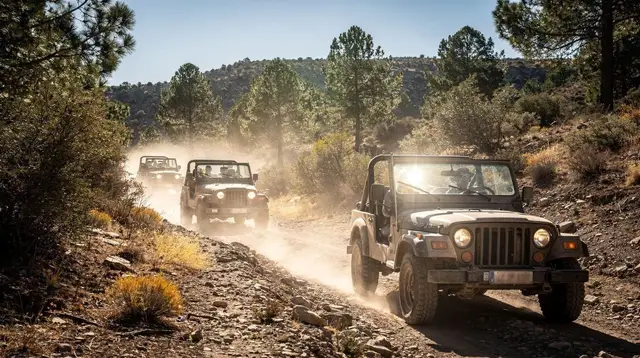
Travellers based further out, around Kalkan, have a similar option with a jeep safari from Kaş and Kalkan covering Saklıkent, Patara and Kaputaş, which trades an air-conditioned minivan for an open-top 4x4 and tends to run at a livelier pace. For a more focused version of the same idea without the canyon detour, a Saklıkent Canyon and Patara Beach tour from Kalkan still typically passes Kaputaş as a coastal stop.
Divers have their own version of this pairing: a scuba diving day from Fethiye that combines Kaş diving with Kaputaş Beach and Saklıkent Canyon is worth considering for anyone based further along the coast toward Fethiye who wants the diving without sacrificing the sightseeing.
For travellers who’d rather have someone plan the whole day around their pace rather than joining a set group itinerary, a private tour from Kaş including lunch can be built to include Kaputaş alongside other stops, with the flexibility to skip the stairs entirely if that suits the group better.
If the stairs rule you out, here’s what else is nearby
Not every visitor to this stretch of coast needs to make Kaputaş work. If the stairs are a hard no — because of mobility, because of young kids, or simply because the timing doesn’t line up with a reasonable parking window — there’s no shortage of alternatives within the same region that don’t demand a cliff staircase.
Patara, a short drive further along the coast, offers a genuinely long, flat, easy-access beach backed by ancient ruins, which suits almost anyone who can’t manage Kaputaş’s stairs. Closer to Kalkan and Kaş themselves, both towns have their own swimming spots reachable without a cliff descent — worth asking about locally if Kaputaş turns out not to be feasible on the day.
Further round the coast, Ölüdeniz near Fethiye offers a different but similarly photogenic turquoise lagoon with much easier access. And for a broader comparison of what’s actually accessible along this coastline, the best beaches on the Antalya coast guide and the Konyaaltı vs Lara Beach comparison both cover options that don’t require a staircase at all.
Getting oriented before you go
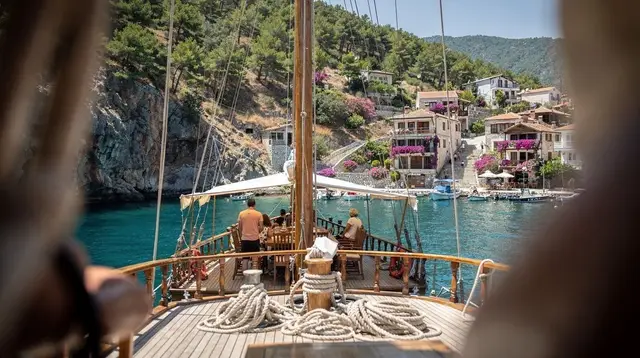
If you’re planning this as part of a wider Lycian coast trip rather than a single detour, it’s worth reading up on the towns anchoring each end of the drive. The Kaş boat trips guide and Kaş scuba diving guide both cover water-based alternatives if the stairs don’t suit everyone in your group but you still want time on the water nearby.
For getting between towns along this coast without a rental car, the getting around the Antalya coast guide covers the practicalities of taxis, dolmuş minibuses and guided transport that apply just as much to a Kaputaş day as anywhere else on this stretch. And if you’re travelling solo and weighing up whether a self-drive stop or a guided day trip suits you better here, the Antalya solo travel guide has more general guidance that applies directly to a spot like this, where logistics matter as much as the scenery.
Photographing the cove
The classic Kaputaş shot — turquoise water pinched between pale cliffs, seen from directly above — is taken from the road, not the beach, and it’s one of the most reproduced images of this coastline for good reason. Midday sun brings out the most saturated color in the water, which is the opposite of the golden-hour advice that applies to most coastal photography; if the photo from above is the priority, arriving late morning to early afternoon actually works better than sunrise or sunset. From down on the sand, the reverse view — looking up through the gorge toward the road bridge and the sliver of sky above — is the shot most visitors miss because they’re focused on the water.
What to bring
- Water — there’s limited to no vendor presence right at the beach; carry your own, especially given the climb back up.
- Proper footwear for the stairs — flip-flops work but grip-soled sandals are safer on worn stone steps, and something that can also handle a coarse sand and pebble shoreline once you’re down.
- Snorkel gear, if you have it — rental options at the beach itself are limited, and the clarity along the cliff edges rewards bringing your own mask.
- A dry bag or waterproof pouch — there’s nowhere secure to leave valuables at the bottom of the stairs, so anything you bring down to the water needs to come with you or stay watched.
- Sun protection — the stairs and much of the beach offer little shade for long stretches of the day; reef-safe sunscreen, a hat and sunglasses matter more here than at a beach with facilities nearby.
- Cash in small denominations — if a snack stand or sunbed rental is operating, it’s unlikely to take cards.
Beaches Guide
Verified deep-linked GetYourGuide tours. Book through these links and we earn a small commission at no cost to you.
GetYourGuide does not provide a product photo for this activity — the image shows the meeting point, photographed by us.