A cove squeezed between two cliffs
Kaputaş Beach sits at the bottom of a narrow gorge on the D400 coastal highway, roughly halfway between Kaş and Kalkan. From the road above, it barely announces itself: a small parking pull-off, a gap in the guardrail, and a staircase disappearing down the cliff face toward a strip of pale sand pinched between two rock walls. What waits at the bottom is one of the most photographed stretches of water on the Lycian coast — a band of turquoise that shifts to deep blue a few strokes offshore, closed in by limestone on both sides.
The name comes from the Turkish word for “door” or “gate” (kapı), a fitting description for a beach that feels like it opens through a crack in the mountainside rather than spreading out along an open shoreline. It’s a small beach by any measure, no more than a couple of hundred metres of sand and pebble, but the setting — sheer cliffs, clear water, and a river-carved gorge running back into the hills behind it — gives it an outsized reputation.
Because the cove is compact and hemmed in by rock, this isn’t a beach for a lazy full day with a sunbed and an umbrella. It rewards a shorter, more deliberate visit: swim, photograph the view from the stairs, maybe explore a little way into the gorge, then move on to lunch in Kaş or Kalkan. Treat it as a highlight stop on a longer Lycian coast day rather than a standalone destination, and it earns its place easily.
The two things to know before you go
Two practical realities shape every visit to Kaputaş, and both are easy to underestimate from photos alone.
The staircase. The only way down to the sand is a steep, purpose-built staircase cut into the cliff, roughly 180 to 190 steps depending on where you start counting. There’s no lift, no ramp, and no alternative path. Going down is straightforward; coming back up in the midday heat, carrying beach bags and tired kids, is the part visitors underestimate. Wear proper shoes rather than flip-flops for the descent and climb — the steps can be uneven, and the last thing you want on a Mediterranean afternoon is a twisted ankle on stone. Anyone with mobility limitations, a stroller, or a strong aversion to stairs should treat this as a photo-from-the-top stop rather than a swimming destination.
No shade, no shops at beach level. Once you’re down on the sand, there is essentially no natural shade and no permanent shop, café or sunbed rental directly on the beach itself — this is not one of the developed resort beaches of Lara or Konyaaltı. Some seasons see a small seasonal drinks stand appear near the water, but it isn’t guaranteed, and it isn’t a substitute for planning ahead.
Bring your own water, sunscreen, and a hat, and consider a light beach umbrella or sarong if you’re planning to stay more than an hour, especially in July and August when the sun is directly overhead for much of the day. A few small restaurants and cafés sit up near the road by the car park, which is a reasonable place to cool off after the climb back up, but don’t expect that convenience at sea level.
Neither point should be a reason to skip Kaputaş — plenty of visitors find the cove worth both the stairs and the lack of amenities. But arriving prepared, rather than expecting a beach club setup, makes the difference between a great memory and a frustrating hour.
Getting there
Kaputaş sits directly on the D400 highway, the main coastal road linking Kaş and Kalkan, which makes it an easy stop for anyone driving this stretch of coast rather than a detour.
| From | Distance | Approx. drive time |
|---|---|---|
| Antalya city | ~190-200 km | 3-3.5 hours |
| Kaş | ~7-8 km | 10-15 minutes |
| Kalkan | ~5-6 km | 10 minutes |
| Patara | ~15-20 km | 25-30 minutes |
The mountain road along this section of coast is winding, so treat the driving times above as a guide rather than a flat-road calculation — a short distance on the map can still take longer than expected. Self-driving gives the most flexibility for timing a visit around the crowds, but it means parking in the small roadside lot above the stairs, which fills up fast in peak summer; arriving early or late in the day helps here too.
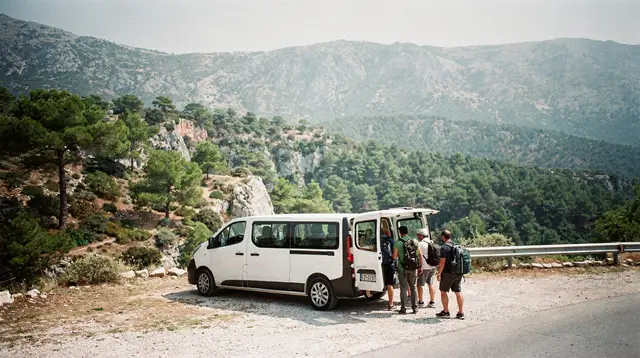
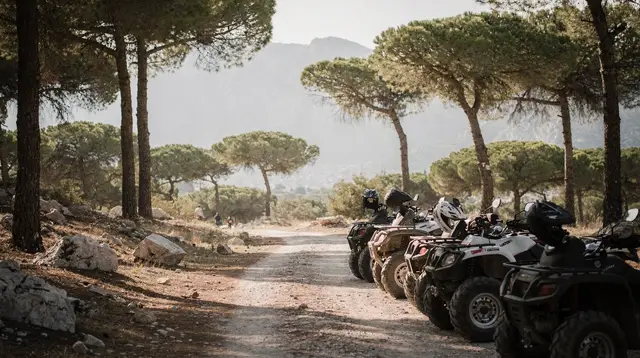
For visitors without a rental car, the most practical option is a day tour that already includes Kaputaş alongside other Lycian coast stops, since public transport connections to this exact point on the D400 are limited. A jeep safari or a Kaş-Kalkan themed day trip typically builds in a swim stop here alongside sights like Saklıkent Gorge or Patara, which also solves the shade and refreshment gap by keeping the visit to an hour or two rather than a full day baking on the sand.
What the water and the gorge are like
The water at Kaputaş is what draws people down the staircase in the first place. Close to shore it runs pale turquoise over light-coloured sand and pebble, deepening to a richer blue further out where the cove opens toward the Mediterranean. It’s typically clear enough for casual snorkelling near the rocks at either side of the beach, though the seabed itself is mostly pebble rather than fine sand, so water shoes are worth packing if bare feet on stones bother you.
Behind the beach, a dry riverbed and narrow gorge cut back into the hillside. In wetter months this can carry running water down toward the sea; by summer it’s usually dry and walkable a short distance in, offering a cooler, shaded alternative to standing on the open sand — one of the only patches of natural shade near the beach, worth knowing given the lack of cover on the sand itself. It isn’t a long hiking route and shouldn’t be confused with Saklıkent Canyon further along the coast, which is a proper canyon-walking destination in its own right; the gorge behind Kaputaş is really a short curiosity rather than a hike.
Because the cove is narrow and closed in by cliffs, there can be a bit more current and cooler patches of water near the rock walls than at open beaches — nothing extreme in normal summer conditions, but worth respecting, particularly with children in the water.
Kaputaş vs. other nearby beaches
Kaputaş isn’t the only turquoise-water stop on this stretch of coast, and it’s worth knowing how it compares before deciding how much time to allocate.
| Beach | Access | Amenities | Best for |
|---|---|---|---|
| Kaputaş | ~180-190 steps down a cliff staircase | Minimal to none at beach level | Photos, a short scenic swim |
| Patara | Flat, drive or short walk | Beach bar, sunbeds, facilities | A full beach day, long sandy stretch |
| Cleopatra Beach, Alanya | Flat, right in town | Full resort-town amenities | Convenience, families based in Alanya |
| Konyaaltı, Antalya | Flat, promenade access | Full city-beach amenities | City-based stays, easy access |
If a long, comfortable beach day with facilities is the priority, Patara — a wide, largely undeveloped stretch of sand backed by ancient ruins, roughly 20-30 minutes away — is the better call and pairs naturally with a Kaputaş stop on the same route. If the goal is the specific turquoise-cove photograph and a quick swim, Kaputaş remains the draw, and most visitors are satisfied treating it as exactly that: a highlight stop, not an all-day base.
Suggested visit plan
A practical way to fit Kaputaş into a Lycian coast day, whether self-driving or on an organised tour:
- Arrive early or late. Before 10am or after 5pm avoids both the harshest sun on the staircase and the busiest parking window in July-August.
- Pack before you descend. Water, sunscreen, a hat, and proper shoes — there’s no shop at the bottom to fall back on.
- Budget 1-2 hours at the beach itself. Between the climb down, a swim, and the climb back up, this isn’t a spot that needs a full day.
- Cool off at the top. The small cafés near the car park are the place to rehydrate and rest after the stairs, not the beach itself.
- Combine it with a nearby stop. Kaş, Kalkan and Patara are all a short drive away and make a natural extension to the same outing.
Organised tours that include Kaputaş
Several regional day trips build a stop at Kaputaş into a wider Kaş-Kalkan itinerary, which is a convenient way to see the beach alongside other highlights without self-driving the D400. The Kaş and Kalkan jeep safari that also covers Saklıkent Gorge and Patara beach is one of the more complete options for combining Kaputaş with the region’s other big sights in a single day.
Travellers based further along the coast have options too: the small-group day trip from Kemer to Kaş and Kaputaş Beach covers the long drive for you, while the D400 road trip route between Fethiye and Antalya via Kaş and Kaputaş suits anyone relocating along the coast rather than doing a round trip. For those staying in Kalkan itself, the Kalkan-based tour pairing Saklıkent Canyon with Patara beach is a similar combination from the other direction.
Any of these save the hassle of parking directly at the Kaputaş car park in peak season, and most build in enough time at the cove for a proper swim rather than a rushed photo stop.
Nearby stops worth combining
Kaputaş’s location on the D400 makes it easy to fold into a longer day rather than visiting on its own:
- Kaş — a relaxed harbour town 10-15 minutes away, good for lunch and a wander through the old quarter
- Kalkan — a smaller, upscale resort town in the other direction, similarly close
- Patara — a long, flat, largely undeveloped beach backed by ruins, a contrast to Kaputaş’s cliff-bound cove
- Saklıkent Canyon — a proper canyon-walking destination further inland, often paired on the same jeep safari itinerary
- Kekova — the part-submerged ruins reachable by boat, usually from Kaş or nearby Üçağız
Kaputaş Beach: frequently asked questions
How many steps are there down to Kaputaş Beach?
Roughly 180 to 190 steps, cut into the cliff face on a fairly steep staircase. There’s no alternative route down and no lift or ramp, so anyone with mobility concerns should plan to view the cove from the top rather than descend.
Is there shade at Kaputaş Beach?
No, there is essentially no natural shade directly on the sand. A short dry riverbed and gorge behind the beach offer a little shaded relief, and some visitors bring their own umbrella, but the beach itself sits open to the sun for most of the day.
Are there shops, cafés or toilets at Kaputaş Beach?
Not reliably at beach level. A small seasonal drinks stand sometimes appears near the water, but it isn’t guaranteed. A handful of cafés and small restaurants sit up by the road near the car park, which is the more dependable place to eat, drink or use facilities before or after visiting the beach.
How far is Kaputaş Beach from Antalya?
About 190-200 km, roughly a 3 to 3.5-hour drive along the coastal D400 highway. It’s much closer to Kaş (around 10-15 minutes) and Kalkan (around 10 minutes), which makes it a far easier add-on for anyone already staying in that part of the Lycian coast.
Is Kaputaş Beach good for kids?
The staircase and lack of shade make it more demanding for families than a flat resort beach. Older children who can manage the stairs generally enjoy the swim, but parents with strollers, very young children, or anyone needing an easy, amenity-rich beach day may prefer Patara or a resort beach closer to their hotel.
Is the water deep at Kaputaş Beach?
The cove deepens fairly quickly a short distance from shore, and the enclosed, cliff-lined setting can create slightly cooler patches and mild currents near the rock walls. It’s manageable for confident swimmers in normal summer conditions, but worth supervising children closely given the depth close to shore.
When is the best time to visit Kaputaş Beach?
Late May through September for warm swimming water, ideally arriving before 10am or after 5pm in the peak of July and August to avoid both the strongest midday sun on the exposed staircase and the busiest parking window.
Can I visit Kaputaş Beach without a car?
Self-driving or a taxi from Kaş or Kalkan are the simplest options given the beach’s location directly on the D400. Travellers without a rental car most commonly see it as part of an organised day tour that also covers nearby sights like Saklıkent Gorge or Patara.