Rafting vs Canyoning Near Belek: Which One Fits Your Group
What's the difference between rafting and canyoning near Belek, and which should I choose?
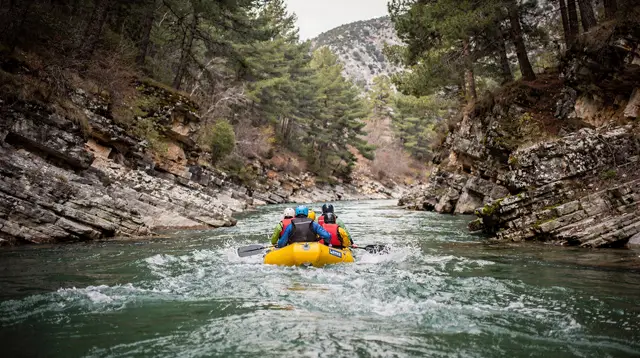
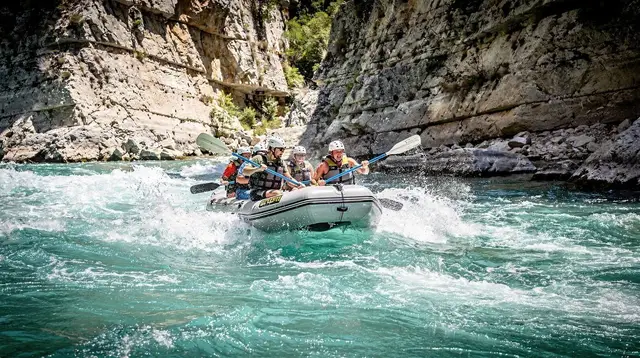
Rafting near Belek happens on the Köprülü Canyon river, sitting in an inflatable boat with a guide steering through rapids — moderate fitness, minimal technical skill. Canyoning (often marketed as a 'secret canyon' or 'monster safari' trip) means wading, swimming, and sometimes rappelling through a narrower gorge, which demands more agility and comfort in cold water. Choose rafting for a fun group activity with kids or first-timers, canyoning for a more physical, adventurous half-day.
Rafting and canyoning are not the same trip
From a Belek hotel, “adventure day” almost always means one of two things: a rafting run on the Köprülü Canyon river, or a canyoning trip through a narrower gorge nearby, sometimes bundled with a stop at Tazı Canyon. Brochures and hotel excursion desks tend to blur the two together under a single “canyon adventure” heading, which is unhelpful when you’re trying to figure out whether Grandma can join, or whether your nervous-around-water cousin should sit this one out.
The short version: rafting puts you inside an inflatable boat that a guide steers through moving water, and canyoning puts you directly in the water and on the rock, walking, wading, swimming, and sometimes rappelling through a gorge on your own two feet. They share a setting — Köprülü Canyon is a national park a little over an hour from Belek — but they ask very different things of your body, and they book differently too. This guide compares them directly so you can match the activity to your group rather than to whichever tour happened to come up first in a search.
What rafting on the Köprülü Canyon actually involves
The river trip is the more established, higher-volume activity of the two, and most operators running excursions out of Belek and neighbouring Side use the same stretch of the Köprü river. You’re fitted with a helmet and life jacket, split into rafts of six to eight people plus a guide, and given a short paddling briefing before you set off. The river alternates between flat, calm pools — where guides usually let people jump in and float — and short bursts of rapids, generally graded II to III, which is approachable for people with no whitewater experience.
Physically, rafting asks for reasonable upper-body stamina (you’re paddling on and off for roughly an hour to ninety minutes) and the ability to follow quick verbal instructions from the guide, but it doesn’t require swimming skill beyond basic confidence in water, since the life jacket keeps you afloat even outside the raft. This is why rafting is the default recommendation for families with children, for first-time adventure travellers, and for mixed groups where fitness levels vary — nobody needs to climb or scramble, and the pace is set by the river and the guide rather than by your own physical effort.
Most day packages combine the river run with extras: a zipline over the canyon, a short ATV or buggy section, or a riverside lunch. It’s worth checking exactly what’s bundled, since two similarly priced trips can differ quite a bit in what’s actually included.
a full day combining river rafting with a zipline and ATV stretch, picked up from Antalya, Belek, or Side covers the classic version of this itinerary, while a rafting day built around a quad-bike safari with optional zipline add-ons leans harder into the motorised side if that’s the bigger draw for your group.
What canyoning near Belek actually involves
Canyoning is the more physically demanding, less crowd-tolerant sibling. Instead of sitting in a boat, you’re on foot (or swimming) directly in the gorge: wading against the current, stepping over wet, slick boulders, floating through narrow pools, and on some routes doing short guided rappels down a rock face into the water below. Operators supply a wetsuit, helmet, and harness where rappelling is involved, and the pace is slower and more deliberate than rafting because every step is negotiated individually rather than carried along by the current.
This is where fitness and water confidence matter more. A canyoning route typically takes an hour to ninety minutes of near-continuous movement, with limited rest points, and it demands decent balance on uneven, slippery terrain plus genuine comfort swimming in cold, moving water. It’s not a technical climbing trip — guides handle the ropework and choose lines suited to the group — but it is a trip better suited to teenagers and adults than to young children or anyone with limited mobility or a fear of cold water.
Trips branded as “secret canyon” or “monster safari” experiences around Belek and Side usually describe this canyoning-style format, sometimes combined with cave or boat elements on the same day. a canyon walk paired with a boat ride and cave visit, run from Side is a good example of the more exploratory, on-foot version of a canyon day, distinct from a straightforward river raft.
Side-by-side comparison
| Rafting (Köprülü Canyon) | Canyoning (secret canyon / gorge walk) | |
|---|---|---|
| How you move | Seated in an inflatable raft, paddling | On foot and swimming, wading through the gorge |
| Physical demand | Moderate — bursts of paddling, mostly guided by current | Higher — near-continuous wading, scrambling, sometimes rappelling |
| Swimming skill needed | Basic confidence; life jacket compulsory | More important; some sections involve swimming through pools |
| Typical minimum age | Around 6-7 on calmer routes, 12+ on higher-water routes | Often 12+, operator-dependent |
| Best suited to | Families, first-timers, mixed-fitness groups | Fit teenagers and adults, more adventurous groups |
| Duration on the water/rock | 1-1.5 hours | 1-1.5 hours, more continuous effort |
| Typical extras bundled | Zipline, ATV/quad, riverside lunch | Boat ride, cave visit, sometimes lavender-field stop |
When the water is at its best
Water flow through Köprülü Canyon and the nearby canyoning routes comes largely from snowmelt higher in the Taurus Mountains, so the season shapes the experience more than the calendar date alone. Spring into early summer — roughly April through June — tends to bring the strongest, coldest, most exciting flow, which suits groups after a livelier ride and don’t mind cooler water.
By midsummer, July and August, the flow generally eases and the water warms up, which makes for a gentler, more family-friendly rafting run, though it can feel tamer if you’re chasing bigger rapids. Late in the season, flow can drop quite low depending on the year’s rainfall and snowpack, occasionally reducing rapids to fairly mild riffles — worth a quick check with the operator if you’re booking a late-August or September trip and want a proper white-water experience rather than a scenic float.
Canyoning routes are less about rapid intensity and more about consistent flow and comfortable water temperature, so the same spring-to-early-summer window is generally the most reliable, while operators may pause or reroute canyoning trips after heavy rain due to flash-flood risk in narrow gorges — a sensible safety call, not something to push back on if a guide postpones for the day.
Gear: what’s supplied, what to bring
Both activities are run as fully guided, equipment-included excursions, but it helps to know exactly what shows up in the price:
- Rafting: helmet, life jacket, and paddle are standard inclusions. Wear quick-dry shorts or leggings over a swimsuit, and secure water shoes or old trainers — never flip-flops, which come off in the current.
- Canyoning: helmet, harness (on routes with rappelling), and usually a wetsuit are included, since the water stays cooler in a shaded gorge even in summer. Some operators add neoprene socks; ask if yours doesn’t mention it, especially for a spring trip when water is coldest.
- Both: bring a full change of dry clothes, a towel, and a dry bag or ziplock for your phone if you want photos — most guides won’t let you carry a phone loose during the active sections.
Choosing based on your group
A few practical scenarios to sort out which activity fits:
- Traveling with young children or older relatives: rafting on a midsummer, gentler-flow date is the safer, more comfortable choice — canyoning’s scrambling and cold water are a harder sell for that mix.
- A group of fit teenagers or adventure-seeking adults: canyoning delivers more physical engagement and a stronger sense of exploring somewhere genuinely off the beaten path, particularly on a spring trip with fuller water.
- Mixed fitness or a first adventure activity together: rafting again, since it requires less individual physical capability and keeps the group together in one boat rather than spread out along a gorge.
- Want to add motorised variety to the day: look at trips that pair rafting with a zipline or ATV/quad segment rather than canyoning, which doesn’t usually combine with motorised add-ons.
- Want a broader day out with a boat or cave element: the canyon-plus-boat format (canyoning-adjacent) fits better than a straight river raft.
If you’d rather build a wider adventure day around a jeep safari, ATV run, or zipline instead of water, a combined monster safari and rafting day through Tazı Canyon and a lavender field stacks several of these into one outing rather than picking a single activity.
Booking and getting there
Most rafting and canyoning trips near Belek run as full-day excursions with hotel pickup included, departing early morning (typically 7:30-8:30am) to reach Köprülü Canyon before the midday heat and before tour buses stack up at the put-in point. Return is usually mid-to-late afternoon. Pickup zones commonly cover Belek, Side, Antalya city, and sometimes Manavgat — confirm your hotel is on the route when booking, since some remote resorts require a supplement or a meeting point.
If you’re building a longer trip around adventure activities rather than a single day, a multi-day rafting and canyon itinerary groups several of these outings together, which is worth a look if this single Belek day leaves you wanting more.
For a wider view of what else sits near Köprülü Canyon — including Selge, the remote hilltop ruins beyond the rafting put-in — see the rafting and canyoning category page or the Belek activity overview. Similar rafting and canyoning options also run from Side, Antalya, Manavgat, Kemer, and Alanya, if your base is elsewhere on the coast.
Rafting and canyoning near Belek: frequently asked questions
Is rafting or canyoning near Belek more suitable for beginners?
Rafting is generally the easier entry point. You sit in a raft, follow the guide’s paddling commands, and the boat does most of the work through the rapids. Canyoning asks more of your body — scrambling over wet rock, wading against current, and sometimes short jumps or rappels — so it suits people who are reasonably fit and comfortable in water.
What is the minimum age for rafting or canyoning trips from Belek?
Most rafting operators on the Köprülü Canyon accept children from around 6-7 years old on calmer sections, with some routes restricted to 12+ depending on water level. Canyoning trips typically set a higher minimum, often 12 or older, because of the scrambling and swimming involved. Confirm the age policy with your specific operator before booking, since it varies by trip and by season.
What should I wear for rafting or canyoning near Belek?
Wear quick-dry shorts or leggings and a swimsuit underneath, plus shoes that strap on securely — old trainers or water shoes, never flip-flops. Bring a full change of dry clothes for afterward. Most operators supply the helmet, life jacket, and wetsuit; canyoning trips sometimes add neoprene socks or gloves for colder water.
Is equipment provided, or do I need my own gear?
Both activities are normally run as fully guided, equipment-included trips: helmet, life jacket, and paddle for rafting; helmet, harness (where rappelling is involved), and often a wetsuit for canyoning. You supply footwear, swimwear, and a towel. Always ask what’s included when comparing prices, since a cheaper-looking trip sometimes excludes the wetsuit.
When is the best time of year for rafting near Belek?
Spring through early summer (roughly April to June) tends to bring the strongest, most exciting water flow from snowmelt higher in the mountains, while midsummer (July-August) flow is gentler and warmer — better for families and nervous first-timers. Late-season trips can be very low water depending on the year, so check current conditions with the operator rather than assuming a fixed season.
Can non-swimmers do rafting or canyoning?
Rafting is usually fine for non-swimmers since a life jacket is compulsory and you stay in the boat except for optional swim stops in calm pools. Canyoning is a poorer fit for non-swimmers, since some sections require swimming through pools or floating with the current — flag this to the operator in advance if anyone in your group can’t swim confidently.
How physically demanding is a canyoning trip compared to rafting?
Canyoning is the more physically demanding of the two. Expect an hour or more of wading against moving water, climbing over slick boulders, and occasionally jumping or rappelling into pools, all at a steady pace with no real rest until the end. Rafting is more episodic — bursts of paddling through rapids alternating with calmer floating stretches — so it’s less continuously tiring.
Rafting and Canyoning
Verified deep-linked GetYourGuide tours. Book through these links and we earn a small commission at no cost to you.
GetYourGuide does not provide a product photo for this activity — the image shows the meeting point, photographed by us.