Antalya Cable Car vs. Hiking: Which Way Up?
Is the cable car near Antalya better than hiking up?
For most visitors, yes: the Tahtalı cable car reaches a Mediterranean-view summit at around 2,365m in about 10 minutes, versus a full-day mountain hike for a similar high vantage point. Choose hiking only if you specifically want the walk itself, have a full day free, and are comfortable with variable trail conditions.
Two ways up the same mountain range
Antalya’s mountains are visible from almost everywhere on the coast — a jagged grey-green wall rising behind the beaches and the old town. Most visitors only ever see them from below. Two very different approaches let you actually get up into them: ride a cable car to a genuine summit in minutes, or commit a full day to a mountain trail on foot. Neither is objectively better. They solve different problems, and the right choice depends mostly on how much time you have, how you feel about queues, and whether the point of the day is the view or the walk itself.
This guide compares the two directly — time, altitude, crowd patterns, cost, and who each option actually suits — so you can decide before you commit a day of your Antalya trip to one or the other.
The cable car option: fast altitude, managed effort
The best-known cable car in the region is the Tahtalı cable car, also called the Olympos Teleferik, on the Tahtalı mountain above the Kemer coast. It climbs from close to sea level to roughly 2,365m in about 8 to 10 minutes — one of the steeper-gradient rides in the region, and a genuinely dramatic transition from Mediterranean pine forest to a rocky, wind-exposed summit.
What you get for that short ride:
- A panoramic view stretching across the coastline, the sea, and the surrounding mountains on a clear day
- A summit platform with viewing areas and, usually, a place to get a hot drink — worth it, since it is noticeably colder and windier up top than at the coast
- The whole round trip, including time at the summit, comfortably fits into half a day
What you don’t get: the sense of having earned the view through effort, and full control over timing, since the cable car runs on a schedule and can be paused or closed in high wind.
Several tours bundle a visit to the Düden Waterfalls or Kaleiçi old town with a cable car ride, which is a practical way to combine sightseeing without arranging transport yourself — an Antalya city tour that includes the waterfalls and a cable car ride covers both in a single organized day, and an old city, waterfalls and cable car tour with lunch included adds a meal to the same combination.
Travellers who prefer a smaller group can look at an Antalya city tour with two waterfalls and cable car as a private tour, while those wanting a more comfortable pace might prefer a luxury old town tour that includes the cable car and a boat trip.
For travellers who’d rather finish the day on the water than back at the hotel, an Antalya city tour combining waterfalls, the cable car and a boat trip folds all three into a single booking, which is worth considering if arranging separate transport to the Kemer coast and back feels like more logistics than the day is worth.
Getting to the Tahtalı base station
The cable car base station sits on the coast road south of Antalya, close enough to Kemer that most Kemer-based visitors can reach it in well under an hour, while travellers staying in central Antalya or further along the coast in Belek or Side face a longer drive or transfer.
This distance is the main reason the bundled tours above are popular: a single vehicle collects guests from a hotel, handles the drive to the base station, and returns them afterwards, which removes the need to arrange a taxi, rent a car, or work out public transport timings around a fixed cable car schedule. Self-driving visitors have more flexibility on timing but should still plan around the midday queue window described below, since arriving independently doesn’t skip the line at the ticket counter or the boarding gate.
Other cable cars on this coast
Tahtalı is the best known cable car in the region, but it isn’t the only one. Further east, Alanya has its own cable car climbing from the coast towards the hilltop Alanya Castle area, a shorter, lower-altitude ride than Tahtalı but a genuinely useful way to reach elevated viewpoints over Alanya’s twin bays without the walk or drive up.
Visitors based around Alanya rather than Antalya or Kemer can look at an Alanya cable car ticket with fast-track boarding and scenic views for a quick, self-contained visit, or an Alanya cable car tour combined with a boat trip and the Dim River for a fuller day that pairs the ride with time on the water.
Because the two rides sit on opposite ends of the same coastline, they aren’t really substitutes for each other in a single trip — most visitors ride whichever one is closer to where they’re staying, and only combine both if their itinerary already covers both Kemer and Alanya.
The hiking option: slower, further, more physical
There is no marked hiking trail that follows the cable car’s route to the Tahtalı summit — the cable car exists precisely because that ascent is not a practical casual walk. Hiking alternatives in the region take different forms and reach different destinations:
- Sections of the long-distance Lycian Way thread along the coast and into the hills further south and west, offering mountain and coastal views but requiring route planning, appropriate footwear, and typically a full day or more per meaningful stretch
- Shorter walks around Termessos, a mountaintop ancient city reached partly on foot within a national park setting, combine ruins with a genuine, if shorter, climb
- Canyon walks such as Saklıkent or the Göynük Canyon near Kemer are hikes in a different register altogether — valley-floor and wading routes rather than summit ascents, so they don’t substitute for a mountain-view hike but are worth knowing about as a separate hiking option on this coast.
A genuine mountain hike in this region, one aiming for an altitude and panorama comparable to the cable car summit, realistically consumes most of a day: transport to a trailhead, several hours of ascent, time at the top, and the descent. Conditions vary with season, and summer heat at lower elevations makes an early start close to essential.
None of this means hiking is the harder option in every sense — it’s harder physically, but simpler logistically in one specific way: there’s no ticket queue, no fixed departure schedule, and no risk of the whole outing being paused because of wind at an upper station. The trade is time and effort for that flexibility. A hiker who sets out early on a cooler day, carries enough water, and picks a trail matched to their fitness level is trading a scheduled half-day activity for an unscheduled full one, with a payoff that’s different in kind rather than simply “more” or “less” than the cable car view.
Head-to-head comparison
| Cable car (Tahtalı) | Mountain hike | |
|---|---|---|
| Time to reach altitude | About 8-10 minutes | Several hours, often most of a day round trip |
| Altitude reached | Around 2,365m | Varies by trail; comparable summits require serious full-day routes |
| Physical effort | Minimal — walking at the stations and viewing platform | Significant — sustained climbing, fitness-dependent |
| Weather sensitivity | Can close in high wind or poor visibility | Can be unsafe or unpleasant in heat, storms, or poor trail conditions |
| Crowds | Can be busy at midday in peak summer, with ticket queues | Generally quiet, especially away from short, popular routes |
| Cost | Paid ticket, often bundled into half-day tours | Free if self-guided (transport and any guide costs extra) |
| Best for | Visitors short on time, families, anyone prioritising the view over the walk | Hikers who want the physical challenge and are comfortable planning a full day outdoors |
| Reliability of experience | Predictable timing once you’re on the queue | Weather- and fitness-dependent, less predictable |
Which one fits your trip
Choose the cable car if: you have half a day or less to spare, you’re travelling with people of mixed fitness levels or with children, you want a dependable, scheduled experience, or the goal is simply to see the coastline from altitude without spending a day getting there. This covers most travellers staying in Antalya, Belek, or Side on a one- or two-week trip who want a taste of the mountains without sacrificing a beach day.
Choose hiking if: the walk itself is part of the appeal, you have a full free day and are comfortable navigating a trail with proper planning, and you’d rather earn a view gradually than arrive at it in minutes. This suits travellers building an itinerary specifically around the Lycian Way or those extending a stay in Kemer or Olympos with outdoor days already planned.
Combine both if you have the time. A common pattern is to take the cable car on one day as an efficient, low-effort way to see the region from above, then spend a separate day on a shorter, lower-altitude hike — around Termessos or through a canyon — that delivers a different kind of experience: slower, quieter, and closer to ground level.
Undecided travellers sometimes do best by deciding based on the rest of their itinerary rather than the mountain day in isolation. A trip already built around ruins and archaeology — say, a day at Perge or Termessos — pairs naturally with more walking, since the appetite for a longer outdoor day is already established.
A trip built mostly around beaches and resort time, with the mountain visit as a single change of pace, tends to suit the cable car better, since it delivers the payoff without eating into the beach days on either side. Families travelling with young children or grandparents should default to the cable car unless everyone in the group is a confident, willing hiker — the summit platform and viewing areas are accessible to most visitors, while a full mountain trail is not.
Practical tips for the cable car
Queues build fastest between roughly 11am and 2pm in July and August, so an early morning or late afternoon visit generally means shorter waits and better light for photos. The summit is genuinely colder and windier than the coast at any time of year, so bring a light jacket even on a hot day below. Check conditions before setting out if wind or weather looks unsettled, since operations can pause temporarily at the upper station.
Tickets are sold at the base station, and combining the ride with a half-day tour that also covers the Düden Waterfalls or Kaleiçi old town is often more efficient than arranging transport to the cable car base independently — particularly for visitors without a rental car.
Practical tips for hiking
Start early to avoid the worst of the midday heat, especially outside the cooler winter months. Proper footwear matters more than it might seem from the coast — trail surfaces vary and can be loose or uneven. Carry more water than feels necessary; shade is limited on exposed ridgelines. If attempting a longer stretch of the Lycian Way or an ascent near Termessos, check current trail conditions and, if uncertain, consider a guided option rather than navigating alone on a first visit to the area.
Antalya cable car and hiking questions
How long does the Antalya-area cable car take to reach the top?
The Tahtalı cable car near Kemer takes roughly 8 to 10 minutes to climb from close to sea level to around 2,365m, making it one of the fastest ways to reach a genuine mountain summit view on this coast.
Can you hike up instead of taking the cable car?
There is no direct hiking trail that follows the cable car line to the same summit; nearby mountain and coastal trails, including sections of the Lycian Way, offer walking alternatives but reach different viewpoints, at a much slower pace and with more physical effort.
Does the cable car get crowded?
Yes, especially in July and August around midday, when queues for tickets and boarding can add a significant wait on top of the ride itself; early morning or late afternoon visits are typically calmer.
Does the cable car close in bad weather?
It can close or pause in high wind or poor visibility, since the upper station sits at altitude and is more exposed than the coast; check conditions on the day if weather looks unsettled.
Is the view from the top worth the cost?
Most visitors find the panoramic Mediterranean and mountain view from around 2,365m worth the ticket price, particularly on a clear day; it is a different kind of reward than a hike, offering scale and breadth rather than a sense of earned effort.
What should I wear for the cable car summit?
Temperatures at the summit are noticeably cooler and windier than at sea level, even in summer, so a light jacket or windbreaker is worth carrying even if the coast feels hot.
Is the cable car suitable for people who don’t hike?
Yes, that is largely the point: it delivers a high-altitude panorama to visitors of most ages and fitness levels without requiring a trek, though the platform areas at the top involve some walking and steps.
Tahtalı Cable Car and Mountain Trips
Verified deep-linked GetYourGuide tours. Book through these links and we earn a small commission at no cost to you.
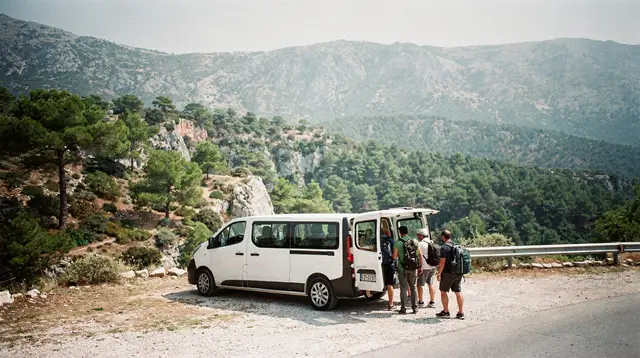
GetYourGuide does not provide a product photo for this activity — the image shows the meeting point, photographed by us.