Is Tap Water Safe in Antalya? What I Actually Do
Can you drink the tap water in Antalya?
Antalya's municipal tap water is treated and generally not considered a health hazard, but it's not the local habit to drink it straight from the tap. Most residents and nearly all visitors default to bottled or filtered water, mainly for taste and mineral content rather than any documented safety alert.
The first time I filled a glass from the tap in my Antalya apartment, I hesitated with it halfway to my mouth. Not because anyone had warned me off it specifically — more because every guidebook, every host, and every local friend I’d made had already handed me a bottle of water before I’d even asked. That reflex told me more than any official statement could: in this region, bottled water is just what you drink, and nobody treats it as a big decision.
So let me separate the two things that usually get tangled together: whether the water is safe, and whether people actually drink it.
This kind of practical question fits into the bigger picture of arriving prepared — the same category of thing as knowing how to get from the airport to your hotel, sorting out money and tipping, or reading up on general safety in Antalya before you land. None of it is complicated, but it’s the sort of thing worth settling in the first day rather than mid-trip.
What “safe” means here
Antalya’s municipal water system is treated and chlorinated like any modern city supply, and I’ve never come across a documented outbreak or official warning tied to the tap water during the time I’ve spent here. That’s an important distinction from destinations where tap water genuinely carries a health risk and bottled water is a real precaution against illness. Antalya isn’t that kind of place. If you’re the kind of traveler who reads that and thinks “great, tap water it is,” I’m not going to tell you you’re wrong or reckless.
What I will say is that “treated” and “pleasant to drink” are two different bars, and Antalya’s water clears the first one more convincingly than the second.
Why almost everyone still buys bottled
Mineral content and pipe quality vary block by block and building by building here, and that shows up as taste and sometimes a slight cloudiness or chalky aftertaste, especially in older buildings or apartments with older internal plumbing. None of that is dangerous on its own — it’s the kind of thing that makes water taste “off” rather than making you sick. But taste matters when you’re on holiday, and it’s the taste issue, not a safety scare, that drives the bottled-water habit here.
There’s also a simple availability factor. Large bottled water is absurdly cheap and sold everywhere — corner shops, hotel lobbies, petrol stations, the guy with a cart near the beach. When bottled water costs next to nothing and is available on every corner, most people don’t weigh it as a real decision. It becomes background behavior, the same way you might default to bottled water in a country where tap water is perfectly fine but bottled is just what’s offered at every meal.
I’d put it this way: locals and long-term residents I’ve talked to are split. Some drink tap water for tea and coffee without a second thought and only buy bottled for drinking straight. Others buy large refill bottles from water-delivery services for everything, cooking included, partly out of habit and partly because delivered water tastes more neutral. Almost nobody I’ve met treats tap water as something to actively avoid out of fear — it’s more a matter of preference, and prevention feels easier than troubleshooting a stomach mid-holiday.
What I actually do
On a short trip, I default to bottled water for drinking, and I use tap water without worrying about it for brushing teeth, washing produce, and making tea or coffee in a hotel kettle where the water gets boiled anyway. That’s not a rule I’ve researched into the ground — it’s just the low-effort, low-risk choice that lets me stop thinking about it. Boiling reduces any taste issues further, so hotel kettle tea has never given me pause.
If I’m staying somewhere longer — a rental apartment for a week or two rather than a hotel — I’ll usually pick up a couple of the large 19-liter refillable water jugs that most local grocery delivery apps and corner markets sell cheaply, rather than working through a pile of small plastic bottles. It’s better for the wallet and noticeably better for the amount of plastic I go through, which matters to me on a longer stay.
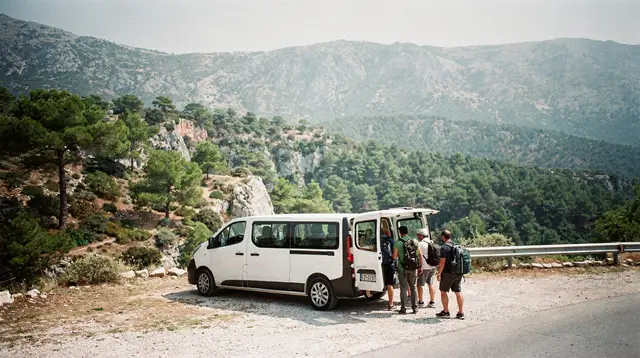
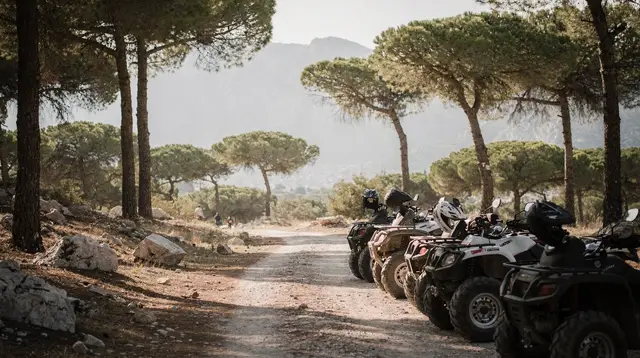
For day trips out of the city — up into the whitewater and canyon country around Köprülü or out to somewhere like the Sapadere Canyon on a jeep safari — I make a point of carrying a full, sealed bottle rather than relying on finding a shop along the way. Mountain roads and canyon trailheads don’t always have a kiosk exactly when you want one, and heat plus a day of walking is a much bigger practical concern out there than water quality ever is.
Where this actually comes up on a trip
Tap water is a background question for most of a stay, but it becomes a slightly more active one on certain kinds of days. If you’re heading out to Köprülü Canyon for whitewater rafting, or up into Sapadere Canyon near Alanya, you’re a long way from a corner shop for hours at a stretch — the same is true for a day exploring Saklıkent Gorge further along the coast. A jeep safari out of Alanya or an Antalya jeep safari has the same logic: pack water before you leave the hotel, not after.
Boat days carry a slightly different version of the same problem. Sun, salt air, and a full day on deck dehydrate faster than walking around Kaleiçi does, whether you’re on a cove-hopping cruise out of Alanya or one of the wider Antalya boat trips. It’s worth building the habit into any day trip you book, from Alanya day trips to excursions out of Side and Manavgat.
A quick comparison
| Situation | What I do | Why |
|---|---|---|
| Drinking water in a hotel or rental | Bottled or a refill jug | Taste, habit, cheap and everywhere |
| Tea, coffee, boiled water | Tap water, no hesitation | Boiling settles any taste concern |
| Brushing teeth | Tap water | No documented issue with this |
| Long apartment stay | Large refill jugs (19L) | Cheaper, less plastic waste |
| Canyon or mountain day trips | Bring a full bottle in advance | Limited shops along the route, heat is the real risk |
| Boat days, like a cove-hopping cruise out of Alanya | Bring bottled water on board | Sun and salt air dehydrate faster than you expect |
None of this is a health protocol. It’s closer to how I’d behave in most of southern Europe — a place where I’d still reach for bottled water out of habit even though nobody’s actually told me the tap water will make me sick.
The bigger risk is usually just heat, not water quality
Honestly, the thing that’s caught me out here has never been the tap water itself — it’s underestimating how much I need to drink in the first place. Antalya summers run hot and dry, and a day spent walking the old lanes of Kaleiçi or out on a boat trip along the coast burns through hydration faster than it feels like it should, especially with the sea breeze masking how much you’re sweating. Carrying a full bottle, refilling it whenever you pass a shop, and drinking more than feels strictly necessary has done far more for me here than agonizing over tap versus bottled ever would.
If you’re planning excursions that involve a full day outdoors — jeep safaris, canyon walks, riverside lunches — that’s the moment to actually think about water, not because of contamination risk but because you’ll be out of easy reach of a shop for hours at a stretch.
Practical notes before you go
A few things I’d tell a friend before their first trip here: bottled water is sold in every size imaginable and rarely costs more than the equivalent of a euro or two even for a large bottle, so there’s no financial reason to gamble on tap water if you’d rather not. Ice in reputable restaurants and hotels is made from filtered or treated water as standard practice, so I don’t avoid it. And if you have a sensitive stomach generally, or you’re traveling with small kids, sticking to bottled water for drinking is a low-cost way to remove one variable from a trip, even if the actual risk from the tap is low.
None of this needs to be a source of anxiety. Treat it the way most locals do: bottled water by default because it’s cheap, tastes better, and takes zero thought — not because anyone’s sounding an alarm about what comes out of the tap.
If you’re still planning the rest of the trip
Tap water is a minor line item compared to the bigger planning questions — when to come, how to get around, and what to budget. If you haven’t nailed those down yet, it’s worth a look at when to visit Antalya, getting around the coast or the Antalyakart and tram system if you’ll be based in the city, and renting a car if you’re planning to explore further afield toward Pamukkale, Kaş, or even Cappadocia.
Traveling with children changes a few of these calculations too — see Antalya with kids — and if you’re building a longer route, a three-day old town and waterfalls itinerary or a full Antalya riviera road trip both work around the same simple habit: carry water, drink more than feels necessary, and don’t overthink the tap.
Frequently asked questions about tap water in Antalya
Is it safe to drink tap water in Antalya?
Antalya’s municipal tap water is treated, and there’s no documented health alert tied to drinking it. Most visitors and many locals still prefer bottled water, mainly for taste rather than any known safety issue.
Can I brush my teeth with tap water in Antalya?
Yes, this is standard practice for residents and visitors alike, and I’ve never had an issue doing it.
Is ice in Antalya restaurants made from safe water?
In hotels and established restaurants, ice is generally made from filtered or treated water as a matter of course. If you’re ever unsure at a very informal stall, it’s fine to simply ask.
Why does Antalya tap water sometimes taste different?
Mineral content and the condition of building plumbing vary across the city, which can give tap water a chalky or flat taste in some apartments. This is a taste issue, not a documented safety concern.
Should I bring bottled water on day trips like canyon tours or boat cruises?
Yes — not because of water quality, but because shops can be scarce along mountain roads and canyon trailheads, and heat and sun exposure on boat trips make dehydration the real risk to manage.
Do locals in Antalya drink tap water?
It’s mixed. Some use it for tea, coffee, and cooking without concern; many others rely on cheap large refill water jugs for daily drinking, largely out of habit rather than any specific warning.
Is bottled water expensive in Antalya?
No — large bottles are inexpensive and sold virtually everywhere, from corner shops to hotel lobbies, so there’s little financial downside to choosing it over tap water.
Does boiling tap water in Antalya make it safer to drink?
Boiling, such as for tea or coffee, addresses any taste concerns and is a normal part of daily life here; I’ve never hesitated to drink boiled tap water during my stays.
tours.Explainer
Verified deep-linked GetYourGuide tours. Book through these links and we earn a small commission at no cost to you.
GetYourGuide does not provide a product photo for this activity — the image shows the meeting point, photographed by us.