Is Antalya Safe? A Practical Traveller's Take
What safety actually feels like on the ground
The question I get most from friends planning a first trip here isn’t about ruins or beaches — it’s “is Antalya safe?”, usually asked with a slightly worried face. My honest answer, after spending real time on this coast, is that it feels like most large, well-established resort regions in southern Europe or the wider Mediterranean: busy, commercial in places, occasionally chaotic in traffic, but not a place where I’ve felt on edge. The precautions that matter here are the same ordinary ones I’d use in any big tourist zone — nothing specific to Antalya has ever made me want to change my routine or cancel a plan.
I say this deliberately without citing crime statistics, because I haven’t verified any and I don’t think a nervous traveller needs a number to feel reassured — they need a sense of what daily life actually looks like. So this is that: a walk-through of the ordinary stuff, not a hazard checklist.
Kaleiçi and the old town at night
My evenings in Kaleiçi are usually the most relaxed part of any Antalya trip. The old town’s narrow lanes are lit, full of restaurant tables spilling onto the street, and busy well past midnight in high season. I’ve walked back to my hotel alone late at night more than once without a second thought.
The usual old-town caution still applies — keep a hand on your bag in the busiest bazaar stretches, be a little more alert in the quieter lanes toward the harbour after the restaurants close, and agree a taxi fare or confirm the meter is running before you get in, rather than after. None of this is unique to Turkey; it’s the same instinct I’d use in any dense old town with lots of visitors and lots of cash changing hands.
Beaches, traffic, and the things that actually cause trouble
If I’m honest about where risk actually shows up on this coast, it’s rarely a person — it’s usually the sea or the road. Lara and Konyaaltı are generally calm, developed beaches with lifeguard-attended sections in season, but currents can still surprise a strong swimmer near river mouths or breakwaters, so I pay attention to any flag system in place and don’t swim far out alone.
Traffic is the other one: driving is on the right, roads toward Kemer or the Lycian coast are winding mountain roads, and local driving style can be more assertive than visitors expect. As a pedestrian I’m more careful crossing multi-lane roads near resort strips than I would be at home, simply because drivers don’t always slow for crossings the way I’m used to.
Sun is the quieter risk. Midsummer heat here is genuinely strong, and I’ve seen more people undone by dehydration and sunburn on a first beach day than by anything else — water, shade breaks, and reef shoes on rocky coves like those around Kaş or Adrasan go a long way.
Arriving and getting around
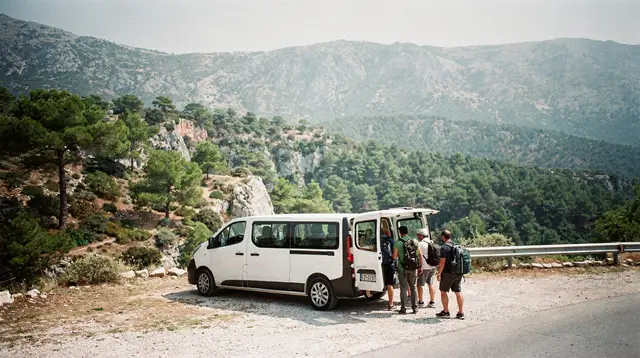
The first stretch of any trip — clearing the airport and getting to your hotel — is where a lot of first-time nerves show up, and it’s also one of the easier parts to plan around in advance. Pre-arranged transfers, whether a shared shuttle or a private car, take the guesswork out of currency, negotiating a fare, or finding the right taxi rank at Antalya’s airport, and that’s worth more peace of mind than the modest cost suggests, especially arriving late at night or with kids in tow.
Once you’re settled, getting around the city itself is straightforward — Antalya’s tram and the AntalyaKart card system make public transport simple and remove the need to negotiate cash fares for every short hop.
If you’re planning to rent a car for the wider coast, the same ordinary caution applies as with any unfamiliar road network: stick to well-lit, signed routes after dark, and budget more time than you’d expect for mountain roads toward Kemer or further along the Lycian coast. I’ve covered the practical side of this in more detail in my guide to renting a car in Antalya, including the driving-side and insurance basics that matter most for peace of mind.
Excursions, canyons, and boats
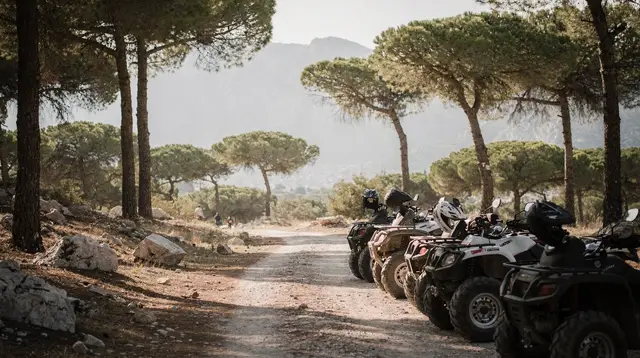
A lot of my time here has gone into organised activities rather than wandering solo, and this is where I actually think about safety most concretely, because it’s where equipment and guiding quality vary. On a rafting or canyon trip through somewhere like the Köprülü Canyon, I check that helmets and properly fitted life jackets are handed out before we’re anywhere near the water, and I don’t hesitate to ask a guide to adjust a strap that feels loose. Jeep safaris into the hills above Alanya are another case where a reputable operator with seatbelts and a sensible driving pace matters more than the itinerary photos.
Booking through an established operator rather than the cheapest stall on the seafront has made a real difference for me in practice — it’s less about price and more about consistent equipment and briefings. I’ve had a good, well-briefed day on the Green Canyon boat trip with lunch out of Antalya or Alanya, and separately on a jeep safari up to the Sapadere Canyon — both had a proper safety briefing before anything started, which is the detail I actually look for now rather than reviews alone.
A gentler day on the water, like the boat cruise along Alanya’s hidden coves and blue lagoon, is a good example of low-key, well-supervised activity if you’d rather ease into the adventure side of the coast. For something a bit more overland, the mountain-trail jeep adventure with a riverside lunch struck a similar balance for me — genuinely fun, clearly briefed, nothing reckless about it.
Money, scams, and everyday hassle
The closest thing to a real “watch out” I’d offer isn’t danger so much as low-grade commercial pressure: persistent touts near bazaar entrances in Kaleiçi, the odd inflated taxi fare for a tourist-looking passenger, or a restaurant menu without visible prices in a heavily touristed strip. None of this has ever felt threatening to me — it’s the ordinary friction of a resort economy, and it responds to the ordinary countermeasures: agree prices up front, use the AntalyaKart system for trams and buses rather than negotiating cash fares, and don’t feel obliged to buy anything from a shop just because you stepped inside to look.
Carrying a card as backup to cash, and keeping photos of important documents on my phone, is just standard travel hygiene here as anywhere else. I go into currency, card acceptance, and reasonable tipping norms in more depth in my guide to money in Antalya, if you’d rather have those details settled before you land.
Solo travellers and families often ask me slightly different versions of the same question, and my answer doesn’t really change between them: the fundamentals of a busy, well-established resort region apply regardless of who you’re travelling with. If you want more detail tailored to travelling alone, I’ve written a longer solo travel guide to Antalya; for families, the practical side of beaches, activities, and pacing a trip with kids is covered in my Antalya with kids guide.
The one number worth actually remembering
If there’s a single practical fact I’d want every visitor to have memorised before arriving, it’s this: 112 is the general emergency number across Turkey, covering police, ambulance and fire, reachable from any phone. I don’t think about it often, but knowing it’s the same single number for everything — rather than three different ones to recall under stress — has genuinely put my mind at ease on trips where I’m travelling with older relatives or young kids.
Frequently asked questions about safety in Antalya
Is Antalya safe for solo travellers?
In my experience, yes, in the same way most large, well-established resort cities are — busy public areas, a strong tourism infrastructure, and no particular reason to feel unsafe walking around Kaleiçi or the beach districts during the day or evening. Ordinary city-travel sense (staying aware in quiet side streets late at night, confirming taxi fares) applies just as it would elsewhere. My solo travel guide to Antalya goes into more detail on this if you want it.
What is the emergency number in Antalya and Turkey?
112 is the single general emergency number used across the whole of Turkey, covering police, ambulance and fire services from one call.
Is it safe to swim at Antalya’s beaches?
Generally yes at the main developed beaches like Lara and Konyaaltı, though currents can be stronger near river mouths and breakwaters, so it’s worth checking for any flag warnings and not swimming out alone or far from shore.
Are the canyon and rafting excursions around Antalya safe?
They’re a normal, popular part of the region’s activity scene, and my own trips have always started with a proper safety briefing and correctly fitted equipment from the operator — booking with an established company rather than the cheapest option on offer is the main precaution worth taking.
Do I need to worry about scams in Antalya?
The more common issue is low-level commercial pressure — persistent touts, unclear taxi fares, menus without visible prices — rather than anything dangerous. Agreeing prices upfront and using a card system like AntalyaKart for public transport avoids most of it.
Is tap water safe to drink in Antalya?
Tap water in the region is generally not recommended for drinking; bottled or filtered water is the standard choice for visitors and is widely and cheaply available. See my full answer on tap water in Antalya for more on this.
Is driving in Antalya and the surrounding coast safe?
Roads are generally fine but can be winding in the hills toward Kemer or the Lycian coast, and local driving style can be more assertive than some visitors are used to — extra caution as a pedestrian crossing busy roads is worthwhile. If you’re weighing up self-driving, my renting a car in Antalya guide covers what to expect.
Should I be worried about safety travelling with children in Antalya?
Most families find the resort areas comfortable, with attended beaches and a well-established tourism setup — the main everyday precautions are sun protection, water safety at the beach, and normal road awareness rather than anything specific to personal security. My Antalya with kids guide covers the practical side of travelling here as a family in more depth.
tours.Explainer
Verified deep-linked GetYourGuide tours. Book through these links and we earn a small commission at no cost to you.
GetYourGuide does not provide a product photo for this activity — the image shows the meeting point, photographed by us.