Bazaars and Haggling in Antalya: When to Negotiate and When Not To
The first time a shopkeeper in Kaleiçi quoted me a price for a leather bag, I paid it without a word, walked back to my hotel, and felt slightly foolish about twenty minutes later when a fellow traveller mentioned she’d got a near-identical one for noticeably less. That’s the thing nobody tells you before your first trip to Antalya’s old town: haggling here isn’t rude, it isn’t a scam, and it isn’t optional in some places — it’s just how the transaction is supposed to go. Learning where that applies, and where it very much doesn’t, saved me a lot of awkwardness on later trips.
Where haggling belongs
The clearest home for negotiation is the bazaar-style shopping you’ll find threaded through Kaleiçi, Antalya’s old town: small, independently run stalls and shopfronts selling leather goods, textiles, ceramics, jewellery, spices, dried fruit, and the usual run of souvenirs. The same goes for similar old-town shopping streets you’ll find around Alanya and Side, and for the stalls that cluster near markets covered in our broader food and markets guide. If a price isn’t printed on a tag and the person selling to you owns or runs the stall themselves, there’s a reasonable chance the first number is a starting point, not a final one.
Weekly local produce markets are a slightly different case. You’ll sometimes negotiate on larger purchases — a big bag of tomatoes, a kilo of dried apricots — but it’s gentler and less expected than in the souvenir stalls, and haggling hard over the price of a handful of peaches from a farmer feeding their own family tends to land badly. I treat food markets as a place to be friendly and occasionally ask “is that your best price,” rather than a place to run a full negotiation.
Where it doesn’t belong
Fixed-price retail is exactly what it sounds like, and trying to negotiate there just creates confusion. Supermarkets, pharmacies, mobile phone shops, most restaurants and cafés, chain stores in shopping malls, and any place with an actual barcode scanner or a printed menu are not haggling territory. Neither, generally, are museum and archaeological site tickets, transport fares on the AntalyaKart tram system, taxis with a working meter, or organised tours and activities booked in advance — those prices are set, and asking to negotiate them just wastes everyone’s time.
There’s a useful shorthand I use: if the shop looks like it could exist in an airport or a shopping centre anywhere in the world, it’s a fixed-price shop. If it looks like it could only exist in that one alley in Kaleiçi, with a specific owner behind the counter, it’s probably a negotiating shop. It isn’t a perfect rule, but it’s rarely wrong.
Getting a feel for value before you start
I don’t chase a specific discount percentage, and I’d gently push back on anyone who tells you to always expect, say, half off. The honest answer is that it depends entirely on the item, the shop, the season, and how the conversation goes. What actually helps is doing a small amount of groundwork first: walk past a few stalls selling similar leather bags, textiles, or ceramics before committing to the first one you see, and get a rough sense of the range being asked.
That range tells you far more than any fixed rule of thumb ever could, and it means you’re negotiating from a place of information rather than guesswork. It’s also worth keeping Turkey’s inflation in mind — lira prices move quickly year to year, so a figure a friend quotes you from a trip two years ago is already out of date.
The codes of respectful haggling
What actually matters more than technique is attitude, and this is the part I wish someone had spelled out for me before my first visit.
Keep it warm, not combative. A negotiation in a Kaleiçi bazaar is closer to a friendly back-and-forth than a confrontation. Smiling, a bit of small talk, genuine interest in the item — these aren’t just pleasant, they’re part of how the exchange is meant to work. Shopkeepers who deal with tourists all day can tell the difference between someone enjoying the ritual and someone trying to grind them down, and they respond very differently to each.
Don’t start insultingly low. A counter-offer that’s wildly below any reasonable value isn’t a clever opening move, it just signals you’re not taking the interaction seriously, and it can shut a friendly conversation down fast. I aim for something that feels like a genuine, if optimistic, offer rather than a lowball.
Be willing to walk away — and mean it. This is the single most useful piece of leverage you have, and it only works if it’s real. If you love the item and will clearly buy it regardless, the seller knows that too. If a price genuinely doesn’t work for you, thank them and start to leave; sometimes that produces a better offer, and sometimes it just ends the conversation, which is fine.
Don’t negotiate an item you have no intention of buying. Treating a stall like a game, haggling hard, and then walking off is exactly the kind of behaviour that gives some travellers a bad name in return. If you’re not seriously interested, admire the item and move on without opening a negotiation you won’t finish.
Cash and a decisive manner help. Having the amount roughly ready, rather than negotiating in the abstract, tends to speed things toward a fair number for both sides.
Accept “no” gracefully. Sometimes a shopkeeper simply won’t move much, particularly on lower-margin items or in high season. That’s their right, and pushing past a firm, polite “that’s my price” stops being negotiation and starts being pressure.
A market morning, a canyon afternoon
My favourite way to structure a day around Kaleiçi is to spend the cooler morning hours wandering the old town’s lanes, doing exactly this kind of unhurried, good-natured haggling over a couple of small things, then leave the shopping behind entirely for the afternoon. On trips based further along the coast, I’ve paired a market morning with a half-day out of town — the Green Canyon boat trip with lunch out of Antalya or Alanya is a good contrast to a morning of bazaar browsing, and so is a slower cruise along Alanya’s hidden coves and blue lagoon.
If you’d rather trade the stalls for mountains entirely, a jeep safari into Sapadere Canyon with lunch included or a riverside jeep adventure through the mountain trails above Alanya makes for a completely different kind of afternoon.
Practical notes before you go
A little planning makes the bazaar side of the trip smoother. Know roughly what things should cost before you’re standing at a stall — our Antalya food and markets guide is a good starting point for produce and spice prices, and it’s worth reading up on money and tipping so you’re not converting lira in your head under pressure. Dress and manner matter too, particularly if your shopping route takes you near an active mosque — see our note on what to wear near mosques.
If you’re driving between old towns rather than relying on taxis, our car rental guide covers the basics, and our general safety guide is worth a skim if it’s your first visit to Turkey. For a wider sense of how Kaleiçi fits into a longer stay, our old town guide and our comparison of budget versus luxury excursions are both useful companions.
Bazaars and haggling in Antalya: your questions answered
Is haggling expected in Antalya’s bazaars, or will it offend the seller?
It’s expected and normal in independent stalls and shops, particularly around Kaleiçi’s old town lanes — sellers there are used to it and generally enjoy a friendly negotiation rather than finding it offensive.
What percentage discount should I aim for when haggling?
There’s no reliable fixed percentage — it depends on the item, the shop, and the season. Comparing prices across a few similar stalls before you buy gives a far more accurate sense of a fair price than any rule of thumb.
Can I haggle at supermarkets, malls, or restaurants in Antalya?
No — those are fixed-price businesses, as are museum tickets, metered taxis, and tram fares. Attempting to negotiate there just causes confusion rather than a discount.
Is it rude to walk away during a negotiation?
No, it’s a normal and often effective part of the process, as long as it’s genuine. Walking away when a price truly doesn’t work for you is accepted; using it as a bluff when you clearly intend to buy anyway tends not to work.
Should I negotiate on food at local produce markets?
Light negotiation happens on larger purchases, but it’s gentler than in souvenir bazaars. Haggling hard over small amounts from a market farmer is generally not well received.
Does cash make a difference when haggling?
Having cash ready, in roughly the right amount, tends to make a negotiation move faster and land on a fairer number than negotiating in the abstract before deciding how you’ll pay.
What’s the single biggest mistake tourists make when haggling in Antalya?
Treating it as combative rather than friendly — starting with an insultingly low offer, or negotiating hard on an item you never intended to buy. Attitude matters more than any specific technique.
tours.Explainer
Verified deep-linked GetYourGuide tours. Book through these links and we earn a small commission at no cost to you.
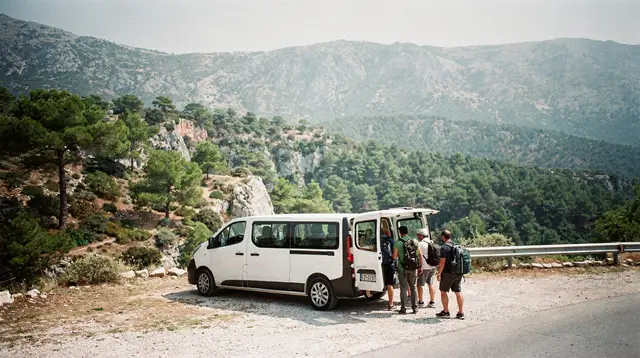
GetYourGuide does not provide a product photo for this activity — the image shows the meeting point, photographed by us.