Antalya on a Budget: What I Actually Spent
Is Antalya a budget-friendly destination?
Antalya can be very affordable compared to Western Europe, but exact prices shift fast with inflation and season. Think in ranges rather than fixed numbers, keep some cash for markets and small purchases, and expect cards to work almost everywhere tourists go.
I’ll be honest: before my first trip to the Antalya region, I spent way too long hunting for a spreadsheet with exact prices for everything — a night in Kaleiçi, a plate of grilled fish in Side, a taxi from the airport. I never found one that held up. By the time I landed, half the numbers I’d read online were already out of date. That’s not a complaint about bad research, it’s just how it is here: Turkey has been through a long stretch of high inflation, and lira prices printed anywhere — including this page — age fast. So instead of promising you numbers, I’m going to give you the ranges and reasoning I actually used, and let you plug in current rates when you plan.
The currency question first
The official currency is the Turkish lira (TRY), not the euro, even though euros and dollars get thrown around casually in some tourist areas. Don’t assume you can pay in euros everywhere — some places along the Antalya coast will accept them informally at a so-so rate, but you’ll do better converting mentally to lira and paying in local currency. I’d check a live exchange-rate source right before you fly, not rely on whatever number a blog post (this one included) quotes, because the rate has moved meaningfully even within a single year recently.
Where the money actually goes
Broadly, my spending split into five buckets: accommodation, food, local transport, entry tickets, and excursions/tours. Here’s how I’d think about each, in ranges rather than fixed figures.
Accommodation
Antalya City, Kemer, Side, Belek and Alanya all have wildly different price bands depending on whether you’re booking a simple guesthouse in Kaleiçi or an all-inclusive resort near Lara Beach.
As a rough sense of scale: a budget guesthouse or apart-hotel room tends to sit at the low end, a solid mid-range hotel with breakfast in the middle, and an all-inclusive beach resort considerably higher, especially in July and August. Off-season (winter, or the shoulder months either side of peak summer) can bring meaningful savings — see my notes on visiting in winter if flexible dates matter to you. Whatever numbers you see quoted for a specific hotel, treat them as a snapshot from the day someone checked, not a guarantee.
Food and drink
This is where I felt Antalya could be genuinely affordable if I ate the way locals do. A simit and tea for breakfast from a street vendor costs very little; a sit-down meal of grilled meat or fish with salad and bread at a proper restaurant costs meaningfully more, and a seafront restaurant in a touristy stretch of Kaleiçi or Alanya more still.
My rule of thumb: the further a restaurant sits from a beach promenade or old-town tourist strip, the better value the same quality of food tends to be. Local lokantas (cafeteria-style eateries serving home-style dishes) were consistently my best budget finds — see my broader notes on local food for how to spot them.
Getting around
Antalya’s AntRay tram and city buses, plus the scenic seafront Nostalgic Tramway, all run on the AntalyaKart contactless card — buy and top it up at a kiosk or machine rather than expecting to pay cash on board. Public transport within the city is genuinely cheap. Getting between towns — say from Antalya to Side or Alanya — costs more via intercity bus than tram, and a private airport transfer or taxi costs more again, though it saves time and hassle with luggage.
Renting a car opens up places buses don’t reach well, like the Sapadere Canyon or the back roads toward Termessos, but factor in fuel, tolls and parking on top of the rental rate itself. My fuller breakdown is in getting around the Antalya coast.
Entry tickets and the museum pass
Antalya’s ancient sites — Perge, Aspendos, Termessos, Alanya Castle and others — are individually ticketed, but there’s also a regional Müze Kart / MuseumPass Mediterranean covering many sites for one paid period. Whether it’s worth it depends entirely on how many sites you plan to see and over what timeframe; I did the maths against individual ticket prices before deciding, and I’d suggest you do the same rather than trusting a blanket “yes, buy it” recommendation, since individual prices (and the pass price itself) shift.
Excursions and tours
This is the most variable bucket of all, because it depends entirely on what you book. On one of my trips I did a day combining the Green Canyon with a boat and lunch — that’s the kind of half-day-to-full-day excursion that bundles transport, a meal and an activity into one price, which I actually found easier to budget for than piecing together a canyon visit, lunch and transfer separately. If you’re drawn to the water, something like the boat cruise around Alanya’s hidden coves and blue lagoon is a full day out with lunch included, which again simplifies the maths versus renting gear and finding your own lunch spot.
For canyon and jeep excursions I compared a couple of options before booking — the jeep safari to Sapadere Canyon with lunch and the mountain-trail jeep adventure with a riverside lunch both fold transport and food into one upfront cost, which I preferred over trying to self-drive to some of these spots.
And if you want the classic canyon-and-boat combination without organising it yourself, the Green Canyon day trip with a boat lunch is the one I’d point a first-timer toward. None of these prices are fixed season to season, so check the current rate when you’re ready to book rather than budgeting off an old screenshot.
Cards versus cash
In the touristy parts of Antalya, Alanya, Kemer and Side, card payments are widely accepted — hotels, most restaurants, supermarkets and larger shops all took my card without issue. Where I needed cash was smaller: local markets and bazaars, small family-run eateries, some minibus (dolmuş) rides, tips, and the odd roadside stall selling fruit or snacks near a site like Manavgat Waterfall.
I got in the habit of carrying a modest amount of lira for these moments and relying on the card for everything bigger. On tipping specifically: it’s customary but modest, roughly rounding up or adding something in the 5–10% range in restaurants where service isn’t already included, and a smaller amount or simple rounding for taxis — a general norm, not a fixed rule, so use your judgment on the day.
What actually helped me stay on budget
Honestly, the single biggest lever wasn’t finding the cheapest version of everything — it was choosing when to go. Shoulder season and winter months bring lower accommodation rates and thinner crowds at sites like Aspendos or Termessos, at the tradeoff of cooler sea temperatures for swimming. The second lever was eating where locals eat rather than wherever looked prettiest on the seafront. And the third was bundling activities — a canyon trip with lunch included, say — rather than assembling the same day piece by piece and paying extra transfer costs each time.
Frequently Asked Questions About Budgeting for Antalya
Is Antalya expensive compared to other Mediterranean destinations?
Generally no — Antalya tends to be more affordable than comparable Western European beach destinations, though exact comparisons shift constantly with inflation and exchange rates, so check current figures rather than relying on older comparisons.
Should I bring euros or dollars, or exchange for lira?
The official currency is the Turkish lira, and while some tourist businesses informally accept euros or dollars, you’ll generally get better value paying in lira. Check a live exchange rate before your trip rather than assuming a fixed conversion.
Do I need cash in Antalya, or can I use my card everywhere?
Cards are widely accepted in hotels, restaurants and shops across tourist areas like Antalya City, Alanya and Side, but cash remains useful for markets, small family-run eateries, minibuses and tips.
Is the Müze Kart / MuseumPass Mediterranean worth buying?
It depends on how many ticketed sites you plan to visit and over what period — compare its current price against individual entry tickets for the sites on your itinerary before deciding.
How much should I tip in restaurants and taxis?
Tipping is customary but modest — roughly rounding up or adding around 5–10% in restaurants where service isn’t included, and a smaller amount or simple rounding for taxis. This is a general local norm rather than a strict rule.
Is it cheaper to book excursions locally or in advance online?
Both have tradeoffs: booking ahead locks in availability and often bundles transport, lunch and activity into one price, while local booking can sometimes be negotiated but carries more uncertainty about quality and availability, especially in peak season.
Does visiting in winter actually save money?
Yes, generally — accommodation rates tend to drop outside the summer peak, though the sea is noticeably cooler and some seasonal attractions or transport links may run less frequently, so check what’s open before committing to an off-season trip.
Trip Planning
Verified deep-linked GetYourGuide tours. Book through these links and we earn a small commission at no cost to you.
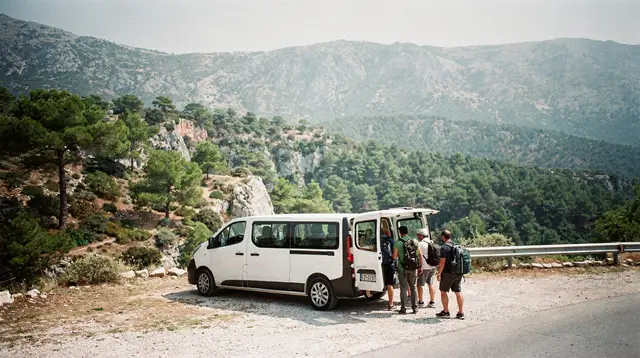
GetYourGuide does not provide a product photo for this activity — the image shows the meeting point, photographed by us.