Antalya in January: What It's Really Like Off-Season
I’ll be honest: the first time I landed in Antalya in January, I half expected the same postcard I’d seen in July — palm trees, turquoise water, sunbeds lined up along the beach. That is not what January looks like here, and if nobody tells you that in advance, it can feel like a letdown. So let me tell you now, plainly: this is an off-season month, and it rewards a different kind of trip than the one most people picture when they hear “Antalya.”
What the weather actually does
Antalya’s winters are mild by European standards, but January sits at the cooler, wetter end of the year here. Expect a mix: some days genuinely bright and pleasant, warm enough to walk around in a light jacket with the sun out, and other days that are grey, blustery, and rained on for hours at a stretch. It’s not constant rain, but it’s also not the dependable sunshine the region is known for in summer. I’d pack for both — a proper light rain jacket, layers, and comfortable closed shoes, because cobblestones in Kaleiçi get slippery when wet.
I won’t give you a specific number of degrees, because a single figure creates a false sense of precision this time of year won’t deliver. What I will say is that it trends noticeably cooler and damper than the sun-drenched image most people carry around of this coast, and that the difference between a good day and a rough one can be significant. Check a short-range forecast once you’re close to travel dates rather than planning around a seasonal average.
The one thing to get straight: this is not a beach month
If there’s a single expectation to reset before booking, it’s this one. The sea is cold, the beach clubs along Lara Beach and Konyaaltı Beach are largely shuttered or running a skeleton winter operation, and there is no beach atmosphere — no music, no sunbeds out in force, no crowds in the water. A handful of hardy locals do go in, and I saw one man doing determined laps parallel to the shore while everyone else on the promenade was in a coat, but that was very much the exception, not something I’d plan a trip around.
If a beach holiday is the point of your trip, January in Antalya will disappoint you no matter how good the rest of the itinerary is. Come for a different kind of trip instead, and it works much better.
Where January actually shines: Kaleiçi, without the crowds
This is the part I didn’t expect to love as much as I did. Kaleiçi, Antalya’s old town, is a genuinely different place in January than it is in August. The narrow lanes that get shoulder-to-shoulder in summer are just… walkable. You can stand in front of Hadrian’s Gate for as long as you want without being jostled. Cafés have tables free. Shopkeepers have time to actually talk to you instead of working through a queue.
I spent an unhurried couple of hours just wandering — no itinerary, just following whichever lane looked interesting — and it’s the kind of aimless wandering that’s basically impossible in peak season without constantly stepping around tour groups. The harbour, too, is quieter: fewer boats running, but the views along the old walls down to the water are just as good, arguably better without haze and crowds cluttering the photo.
Museums and indoor sights are the other big winner. The Antalya Museum, and any of the region’s ancient sites that don’t depend on beach weather, are far more pleasant to visit when it’s fifteen degrees cooler than midsummer and you’re not fighting for space at every information panel. If ruins and history are part of why you’re coming to this region at all, January and the surrounding off-season months are honestly a better time to do that part of the trip than July is.
What’s open, and what quietly isn’t
Antalya city itself keeps functioning more or less normally through winter — restaurants, hotels, cafés and museums in and around Kaleiçi operate on a normal schedule, just with fewer visitors. Where it gets patchier is the moment you head toward the more purely seasonal resort towns along the coast. Plenty of beach-focused hotels, seafront restaurants and beach clubs in resort areas scale right down or close entirely for winter, reopening in spring. If part of your plan involves a specific hotel or beach club outside the city centre, check directly with them before booking — don’t assume it’s running just because it was buzzing on a summer trip.
Public transport, the AntRay tram and city buses, runs as normal, and getting around by AntalyaKart works exactly as it does the rest of the year.
A rough shape for a January visit
I wouldn’t try to force a beach-holiday structure onto this month. Instead, I’d lean into what actually works:
| Do | Skip |
|---|---|
| Wander Kaleiçi and the harbour on foot | Beach days at Lara or Konyaaltı |
| Museums and indoor/covered sights | Beach clubs and seafront sunbed rental |
| A day trip to nearby ruins like Perge | Boat trips that depend on calm, warm weather |
| Hammam and spa time on a rainy afternoon | Booking a resort-style hotel outside the city |
| Flexible, weather-dependent day planning | A tight schedule with no rain buffer |
I did build in one full day with no fixed plan at all, purely so a rainy morning wouldn’t derail anything — and it turned out to be one of the more relaxed travel days I’ve had, ducking into cafés and a museum instead of forcing an outdoor itinerary against the weather.
Day trips still work, with the right expectations
Further inland or along more sheltered stretches of coast, guided day trips continue to run through winter, and I’d actually recommend building one or two into a January trip rather than trying to do everything independently on unpredictable weather days. A boat-and-lunch trip out toward the Green Canyon gives you scenery and a proper meal without depending on beach weather, since it’s a reservoir setting rather than open sea.
Along the Alanya stretch, a boat trip to sheltered water like the hidden coves and blue lagoon can still be a pleasant few hours on a clear day, though I’d keep an eye on forecasts and be ready to reschedule.
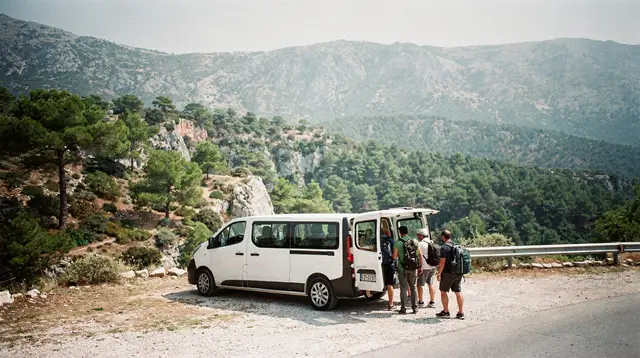
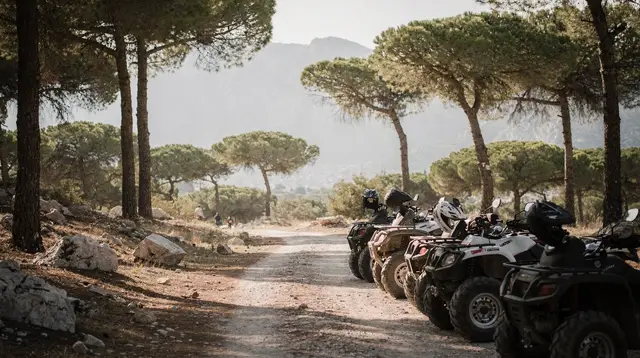
For something that isn’t weather-dependent in the same way, a jeep safari into the Sapadere Canyon with lunch or a mountain trails jeep adventure with a riverside lunch gets you into the landscape and moving, which felt good on the cooler days when standing around outdoors for long stretches was less appealing.
Who I’d actually recommend January to
Honestly, not the classic sun-and-sand crowd — save that trip for summer, when Lara Beach and Konyaaltı Beach are genuinely worth the visit. January suits people who want to see Kaleiçi, the region’s ancient sites and museums without the crush of tourists, who don’t mind unpredictable weather, and who are drawn by noticeably lower hotel rates and quieter everything.
If that’s you, it’s a good trip. If you’re picturing sunbeds and a swim, wait for warmer months and check our broader guide to Antalya in winter or the best time to visit Antalya to pick a month that actually matches what you want.
Antalya in January: frequently asked questions
Is Antalya worth visiting in January?
Yes, if you go in with the right expectations. It’s a good month for wandering Kaleiçi, visiting museums and ancient sites without crowds, and finding cheaper hotel rates. It is not a good month for beach or resort-pool holidays.
Is it cold in Antalya in January?
It’s cooler than most visitors expect from a Mediterranean resort city, with grey, rainy stretches mixed with clear sunny days. It’s mild compared to much of Europe, but not sunbathing weather.
Does it rain a lot in Antalya in January?
January is one of the wetter months on this stretch of coast, with a noticeably higher chance of rain than in summer. Some days are clear and pleasant; others bring extended periods of rain, so flexible plans help.
Can you swim in Antalya in January?
Technically possible for the very hardy, but realistically no. The sea is cold, beach clubs and many seafront facilities are closed or scaled back, and there’s no beach atmosphere to speak of.
Are hotels and restaurants open in Antalya in January?
In the city itself, yes, hotels, restaurants and museums in and around Kaleiçi operate normally. In the beach resort towns further along the coast, many seasonal hotels, beach clubs and restaurants close for winter, so check specifically before booking outside Antalya city.
Is January a good time for sightseeing in Antalya?
It’s genuinely one of the better months for this, since the ancient sites, museums and Kaleiçi’s streets are far less crowded than in summer, and cooler air makes walking around ruins more comfortable than in the summer heat.
Seasonal Guide
Verified deep-linked GetYourGuide tours. Book through these links and we earn a small commission at no cost to you.
GetYourGuide does not provide a product photo for this activity — the image shows the meeting point, photographed by us.