7 Days in Antalya in Winter: City, Termessos & Pamukkale
Is Antalya worth visiting in winter, and can you still see Pamukkale?
Yes — winter days in Antalya are typically mild (roughly 10-16°C), good for sightseeing rather than beach time, and the sea is too cold for a comfortable swim. Pamukkale and Termessos are both easier to enjoy with far fewer visitors than in summer, though a car and warm layers for the evenings and higher ground make the week more comfortable.
Antalya’s winter is a different trip from its summer one, and this itinerary is built around that difference rather than around a beach fantasy that doesn’t hold up between November and March. Daytime temperatures in the city commonly sit in the 10-16°C range, which is genuinely pleasant for walking around Kaleiçi or standing at the clifftop viewpoints above the Düden Waterfalls — but the sea cools to around 16-18°C, and nobody is doing a relaxed swim at that temperature.
If the plan hinges on lounging on Lara Beach or Konyaaltı Beach, this is the wrong season; if the plan is ruins, waterfalls, old-town streets and a proper day trip inland with thinner crowds, winter is arguably the better season for exactly that.
The week below leans into what winter does well: quiet sightseeing in and around Antalya city, a half-day at the mountain ruins of Termessos when the site isn’t baking in summer heat, and a full-day excursion to the white terraces of Pamukkale and the adjoining ruins of Hierapolis, which are far more pleasant to walk when they aren’t packed with coach-tour crowds. A rental car is assumed throughout — Termessos, Pamukkale and Lake Salda are all easier and faster with your own vehicle than waiting on shared shuttles, and winter’s shorter daylight hours make efficient use of a car more important, not less.
Before you go: winter logistics that shape the week
A few practical points sit underneath every day of this itinerary, so it’s worth settling them before Day 1:
- Pack real layers. Coastal Antalya is mild by day but noticeably cooler after sunset, and Termessos sits at altitude in a forested national park where wind and damp ground are common in winter — a warm jacket, closed shoes and something waterproof are more useful here than anywhere on the coast in July.
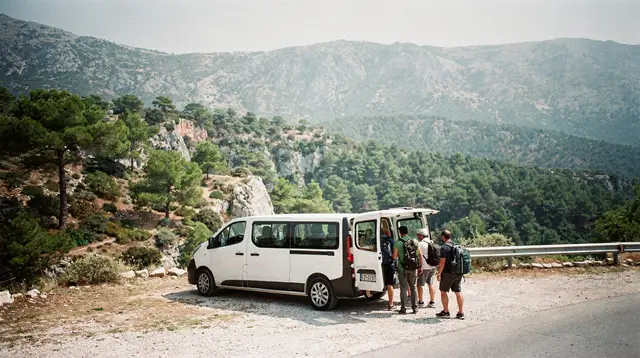
- A car changes this week. Termessos, Pamukkale and Lake Salda are all 45 minutes to 3.5 hours outside the city by road; a rental car (or a private driver for the Pamukkale leg) keeps the trip efficient during winter’s shorter daylight window, roughly 5-6 hours less light per day than midsummer.
- Check opening hours and closures before each day. Some seasonal attractions, boat operators and smaller sites reduce their hours or close for maintenance in the off-season — confirm the current schedule for Termessos and any Pamukkale-linked activity a day or two ahead rather than assuming summer hours apply.
- Ground conditions matter at Termessos. The paths into the site can be muddy or slippery after winter rain; trainers with grip, not sandals, are the right call.
- Currency note: Turkey’s ongoing high inflation means any lira price quoted here or elsewhere ages fast — treat figures as dated snapshots and check a live rate before budgeting seriously.
Day 1: Arrival and Kaleiçi at a relaxed pace
Land at Antalya Airport (AYT) and settle into a hotel in or near Kaleiçi, the walled old town — a short drive from the airport and the natural base for the city portion of this trip. Winter’s advantage shows up immediately: the narrow Ottoman-era streets, the restored harbour and the clock tower are all far easier to enjoy without the summer crush of tour groups.
Spend the afternoon wandering without a fixed plan — Kaleiçi rewards it. Stop at the harbour to watch the boats, browse a few of the small shops and galleries, and pick a waterfront or old-town restaurant for dinner. If jet lag or a long flight has taken the edge off the day, this is a deliberately light first day; save energy for Termessos and Pamukkale later in the week. Check the AntalyaKart guide before you go and pick up an AntalyaKart if you plan to use the AntRay tram or city buses during your stay — it’s the standard way to pay, not cash on board.
Day 2: Düden Waterfalls and the city’s viewpoints
Antalya’s waterfalls are actually two distinct sites, and winter — with higher river flow from rainfall — is a genuinely good time to see both. Start inland at the Upper Düden Falls, a park setting where the water drops through a series of pools and grottoes; it’s an easy, mostly flat walk. In the afternoon head to the Lower Düden Falls, where the river meets the Mediterranean in a dramatic cliffside plunge, best viewed from the clifftop park above or from the water itself.
For the Lower Falls, a short boat trip gives a completely different vantage point than the clifftop path, and several operators run winter-season departures. If you’d like to see the falls from the sea, a themed pirate-boat cruise past the Düden Waterfall covers that angle in a couple of hours, or, for a slower outing with food included, a boat trip to the waterfalls with lunch on board works well as a half-day plan.
Round out the day back in the centre with an early dinner — winter darkness falls by late afternoon, so don’t plan the waterfalls and a full evening city walk on the same short day.
Day 3: Termessos, the mountain city
Termessos is one of the region’s most rewarding ancient sites and one of its most physically demanding — a fortified hill city built into pine-forested mountains within a national park, reached by a walk and climb rather than a stroll from a car park. Winter is arguably the best season to visit: summer heat makes the ascent genuinely tough, while cooler winter air makes the climb far more manageable, and visitor numbers thin out noticeably compared to peak season.
Drive up in the morning (allow around an hour from central Antalya) and plan on two to three hours on site once you factor in the climb, the ruins themselves — a theatre with sweeping mountain views, temples, a necropolis — and the walk back down. Wear proper shoes with grip, since paths can be muddy or slick after rain, and bring a warm layer for the exposed, breezy summit areas. There’s no food or water sold inside the site, so carry both. Head back to Antalya by early-to-mid afternoon; this is not a day to combine with anything else given the physical effort and limited winter daylight.
Day 4: Rest day or city loose ends
Use this day as a buffer — Termessos takes more out of most travellers than a typical ruin visit, and Pamukkale the following days is a long day out. Options for a lighter day in Antalya:
| Option | Good for |
|---|---|
| Antalya Museum + a slow Kaleiçi lunch | History without another climb |
| Perge, a flat, easy ancient city near the city | Ruins without Termessos-level exertion |
| Harbour boat trip along the coast | A relaxed few hours on the water (not for swimming) |
| Simply resting in Kaleiçi | Recovering before the long Pamukkale day |
If a boat outing appeals more than another ruin, a relaxed boat trip along the Lara-Kundu coastline is a low-effort half-day on the water — bring a jacket, since winter sea air is noticeably cooler than the land temperature suggests.
Day 5: Pamukkale and Hierapolis, the long day trip
This is the longest day of the week: Pamukkale sits roughly 220-250km from Antalya, about 3-3.5 hours by car each way on winding inland roads, so an early start matters, especially with winter’s shorter daylight. The reward is substantial — the white travertine terraces are a UNESCO World Heritage site shared with the Roman ruins of Hierapolis on one combined ticket, and winter’s thinner crowds make it far easier to actually appreciate the terraces rather than queue for photo spots.
Walking on the terraces themselves is restricted to specific marked paths, and bare feet are required in the wet sections to limit erosion — this isn’t a site for wandering off-path. Combine the terraces with Hierapolis’s Roman theatre, necropolis and the ruined Plutonium (an ancient “gateway to the underworld” site) on the same ticket.
Given the distance, a guided day tour that handles the driving is a practical choice for this leg: a full-day tour to Pamukkale and Hierapolis or a full-day Pamukkale tour that includes lunch both cover the terraces and Hierapolis in one long day with transport included — useful in winter when you’d rather not navigate unfamiliar mountain roads in the dark on the return leg.
Note that these tours commonly depart from Antalya or Alanya; confirm the pickup point and return time when booking, since a 3.5-hour drive each way makes for a full 12-hour-plus day regardless of departure city.
Day 6: Lake Salda or a second Pamukkale-area stop
If you have the stamina for another long inland day, Lake Salda is roughly on the way back from the Pamukkale area and worth the detour for its striking turquoise water and white sand shoreline — often compared, fairly or not, to Maldives-style scenery, and occasionally noted for terrain researchers have compared to Mars. It’s an undeveloped natural lake with no major paid infrastructure, so this is a scenic stop and short walk rather than a full attraction with facilities — bring your own food and water.
Alternatively, given how much driving Days 5 and 6 already involve, treat this as a genuine rest day back in Antalya: a slow morning in Kaleiçi, a visit to Antalya Museum if you skipped it earlier, or simply catching up before the flight home. Winter trips reward not over-scheduling every single day, and two long inland excursions back-to-back is a lot for one week.
Day 7: Departure
Keep the final morning light — a last coffee in Kaleiçi, a walk along the harbour, or picking up gifts from one of the old-town shops — before heading to the airport. If your flight is in the afternoon or evening, the Lower Düden Falls clifftop park is a pleasant, low-effort stop on the way if you haven’t already fit it in, since it sits closer to the airport than central Kaleiçi.
Planning notes for this itinerary
| Day | Focus | Approx. driving |
|---|---|---|
| 1 | Arrival, Kaleiçi | Airport transfer only |
| 2 | Düden Waterfalls (Upper & Lower) | Short drives within the city |
| 3 | Termessos | ~1 hour each way |
| 4 | Rest / Perge / boat trip | Short or none |
| 5 | Pamukkale & Hierapolis | ~3-3.5 hours each way |
| 6 | Lake Salda or rest | ~1-2 hours if visiting Salda |
| 7 | Departure | Airport transfer |
FAQ: winter travel in Antalya and Pamukkale
Can you swim in Antalya in winter?
Not comfortably. Sea temperatures drop to roughly 16-18°C in winter, well below what most visitors find pleasant, even though air temperatures during the day can feel mild. This itinerary is built around sightseeing rather than beach time — if swimming matters to your trip, plan for summer instead.
Is Pamukkale open and worth visiting in winter?
Yes, Pamukkale and Hierapolis stay open year-round, and winter brings noticeably fewer visitors than peak summer, making the terraces easier to enjoy. The terraces themselves can feel cold underfoot given the wet, bare-feet-required walking sections, so bring a towel and warm socks to change into afterward.
Do you need a car for this itinerary?
A car (or a guided tour with transport for the Pamukkale leg) makes this week far more workable. Termessos, Pamukkale and Lake Salda are all well outside central Antalya, and winter’s shorter daylight hours reward efficient point-to-point driving over waiting on shared transport.
How cold does it get at Termessos in winter?
Termessos sits at altitude in a forested national park, so it typically runs several degrees cooler and windier than the coast, with damp or muddy paths common after rain. A warm jacket and grippy shoes matter more here than anywhere else on this itinerary.
Is one day enough for Pamukkale from Antalya?
It’s workable but long — roughly 3-3.5 hours each way means a 10-12 hour day once you add time at the terraces and Hierapolis. It’s the standard way to see Pamukkale from Antalya, but pace the days around it lightly, as this itinerary does with a rest day before and flexibility after.
What should I pack specifically for this week?
Layer for a roughly 10-16°C daytime range with cooler evenings: a warm jacket, closed walking shoes with grip for Termessos and the Saklıkent-style wet terrain isn’t on this route, but Pamukkale’s terraces do call for bare feet in places, so easy-off shoes help. A light rain layer is worth having, since winter is the region’s wetter season.
Will sites be less crowded than in summer?
Generally yes — Termessos and Pamukkale in particular see a fraction of their summer visitor numbers in winter, which is a major part of this itinerary’s appeal. Kaleiçi stays reasonably busy year-round since it’s a living town, not a seasonal site, but even there the pace is calmer outside summer.
Seasonal Guide
Verified deep-linked GetYourGuide tours. Book through these links and we earn a small commission at no cost to you.
GetYourGuide does not provide a product photo for this activity — the image shows the meeting point, photographed by us.