Turkish Bath and Spa in Manavgat: What's Actually Included
What does a Turkish bath in Manavgat actually include?
A standard tourist hammam package covers a steam room session, a full-body exfoliating scrub (kese), a foam wash, and a short oil or relaxation massage, usually within a fixed time slot of 45 to 75 minutes. Traditional local bathhouses offer the same core elements but at a slower pace, with fewer add-ons and no fixed group schedule.
For most visitors staying around Manavgat and the Side coast, a Turkish bath is booked as a single afternoon out — a steam room, a firm scrub, a splash of foam, and a short massage, usually wrapped into a package with hotel transfer included. That version delivers exactly what it promises and is a genuinely relaxing half-day, especially after a few days of beach time or a dusty jeep safari inland.
It is not, however, the same thing as a traditional Turkish bathhouse, and confusing the two is the single most common source of disappointment among first-time visitors. This guide breaks down what actually happens during a hammam session step by step, where the tourist version and the traditional version diverge, and what to check before booking so the experience matches what you expected.
What a hammam session actually covers
Almost every hammam and spa package sold to visitors in the Manavgat and Side area — whether at a standalone bathhouse or inside a resort spa — follows the same basic sequence, even if the exact order and timing vary slightly between operators.
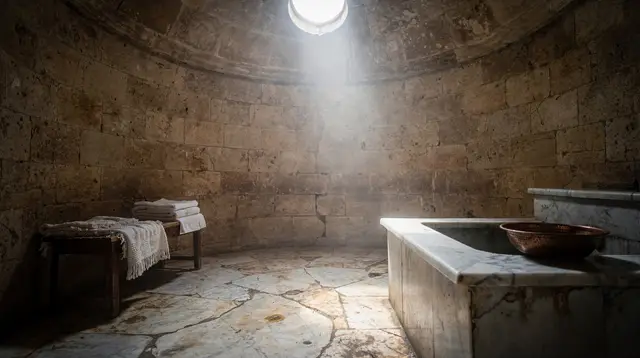
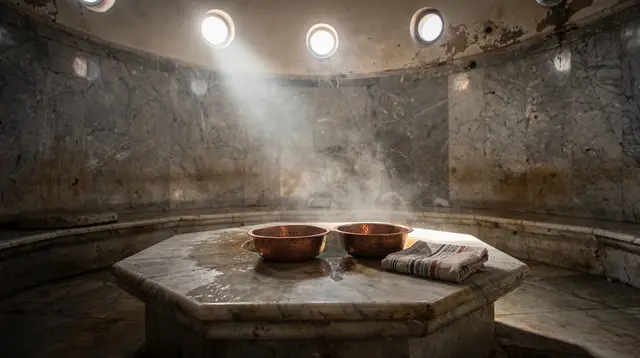
The steam room (sıcaklık). You’ll typically start by changing into a wrap or disposable underwear provided at the door, then move into a heated marble room, often centred on a large heated stone platform known as the göbek taşı (“belly stone”). This is where you sit or lie to sweat and loosen the skin before the scrub — usually for 10 to 20 minutes, sometimes with a bucket of warm water poured over you at intervals.
The scrub (kese). An attendant works over your body with a coarse mitt, removing dead skin in firm, brisk strokes. It is not gentle, but it is not painful either — most people describe it as intense exfoliation rather than discomfort, and it is startlingly effective: it is common to see visibly grey rolls of dead skin coming away, especially on a first visit. If the pressure feels like too much, it’s reasonable to ask the attendant to ease off, though language can be a barrier in a busy tourist hammam.
The foam wash. After the scrub, a soft cloth bag is used to whip up a mountain of soap foam, which is then poured and massaged over your body and hair. This part is closer to a wash than a treatment, and it’s usually the most purely relaxing stage of the whole process.
The massage. Most packages close with a short oil or relaxation massage, typically 15 to 30 minutes depending on what was booked, sometimes on the heated stone platform and sometimes on a separate table. Deeper therapeutic massage is usually an upgrade rather than part of the base package — ask specifically if that’s what you want.
Drying off and tea. Sessions commonly end with a period to relax, dry off, and sometimes a complimentary glass of Turkish tea before you change back into your own clothes.
Tourist package vs. traditional local bath
This is the distinction that matters most for setting expectations correctly.
| Tourist hammam package | Traditional local bath | |
|---|---|---|
| Typical duration | 45–75 minutes, fixed slot | No fixed slot; more relaxed pace |
| Gender arrangement | Often mixed-gender, swimwear worn | Usually separated by gender or time |
| Group size | Often moves through in groups | Individual or small, informal |
| Transfer | Hotel pickup/drop-off frequently included | Usually self-arranged |
| What’s included | Steam, scrub, foam wash, short massage as one bundle | Same core elements, often more basic, fewer extras |
| Aimed at | Visitors, often on a set-menu experience | Local residents, informal walk-ins |
| Language | Staff generally speak some English | Often Turkish only |
Neither version is “better” in an absolute sense — a tourist package is convenient, predictable, and easy to book from a hotel or online, while a traditional bath gives a more unhurried, local sense of how the ritual is actually used day to day. The mistake is expecting one and getting the other: arriving at a fast-moving tourist hammam expecting a slow, contemplative traditional bath experience leads to disappointment, and the reverse is equally true — walking into a neighbourhood bath expecting hotel-standard polish and English-speaking staff can also miss the mark.
If a slower, more traditional feel is what you’re after, ask specifically when booking whether the session is shared with other groups or private, and whether timing is flexible. If convenience and a predictable, fixed-length experience matter more, a standard tourist package with transfer included is the simpler choice.
What’s usually included and what isn’t
Base packages generally include the sequence described above, along with a towel, sandals, and disposable underwear or a wrap. What’s commonly excluded or offered as a paid extra:
- A longer or more therapeutic massage beyond the short relaxation massage in the base package
- Facial treatments, mud masks, or additional skin treatments
- Hair washing and blow-dry beyond a basic rinse
- Robes to take home (usually available for purchase, not included)
- Tips for the attendants, which are customary on top of the package price
Photography inside the steam room and scrub areas is generally discouraged or not allowed, for both privacy and practical reasons — heat and moisture aren’t kind to phones. Most places will let you take photos in changing or relaxation areas instead.
Combining a hammam with sightseeing
Manavgat’s location makes it easy to pair a bath session with a half-day of sightseeing rather than treating it as a standalone outing. A common combination is a short river cruise to the wide, low Manavgat Waterfall in the morning, followed by a Turkish bath and lunch in the afternoon — several operators bundle exactly this itinerary together with a Turkish breakfast included. If you’d rather spend the day on the water, the same river also runs boat trips further toward the Green Canyon reservoir, which can be booked as a separate outing before or after a bath session on another day.
For a slightly different pace, some hammam or spa half-days are paired with a family-friendly ride experience through the countryside around Belek, useful if you’re travelling with children who might find a full spa afternoon less appealing than a shorter bath session combined with an activity outdoors.
a Turkish breakfast and Manavgat Waterfall morning combined with a bath in the day’s itinerary is a practical way to see the river and get the spa experience without arranging two separate bookings. For those who’d rather split the day, a river cruise out to the waterfall on its own works well as a standalone morning before an afternoon hammam booked separately.
Booking with hotel transfer vs. arranging your own
Most operators serving the Manavgat and Side area offer hotel pickup and drop-off as part of the package, which matters more here than it might elsewhere: hotels along this stretch of coast are spread over a fairly wide area, and getting to a specific hammam independently by taxi or public transport can eat into the time and value of a short spa session. A package with transfer included generally makes more sense unless you’re staying within easy walking distance of the bathhouse itself, or unless you’re combining the visit with other errands in central Manavgat that day.
a Turkish bath package with hotel pickup and drop-off arranged for you removes the transport question entirely, and is the more straightforward option for anyone staying at a resort outside walking distance of the town centre. Larger groups or families travelling together sometimes find a similar hotel-transfer hammam package priced per group works out more convenient to coordinate than booking individually.
Practical tips for a smoother visit
- Book ahead in peak season. July and August afternoons fill quickly, especially for packages bundled with popular boat trips to the waterfall.
- Eat lightly beforehand. A heavy meal right before the steam room and scrub isn’t comfortable — a light lunch or snack an hour or two before works better.
- Hydrate. The combination of heat and exfoliation is dehydrating; drink water before and after, and most venues provide water or tea afterward.
- Skip shaving the day of. Freshly shaved skin can sting under the scrub mitt — shave the day before rather than the morning of your session, if possible.
- Remove jewellery and contact lenses. Steam and heat aren’t kind to either; leave valuables at the hotel where possible.
- Ask about pressure and timing upfront. If you want a gentler scrub or a longer massage, say so before the session starts rather than partway through.
- Check what’s included before paying. Confirm whether the massage, tea, and transfer are bundled into the quoted price or charged separately, and clarify tipping expectations at booking rather than at the till.
Who a Manavgat hammam suits — and who it doesn’t
A Turkish bath in Manavgat suits travellers who want a relaxing, low-effort half-day, couples looking for something calmer than a water park or rafting trip, and anyone curious about the ritual without needing an especially authentic or slow-paced version of it. It’s less suited to anyone with claustrophobia around heat and steam, health conditions affecting heart rate or blood pressure, or visitors specifically seeking a quiet, meditative traditional bath — a busy resort-area hammam in peak season, with several groups moving through on a schedule, is a different atmosphere from a quiet neighbourhood bath used mainly by locals.
If a gentler pace and lower price matter more than convenience, and you’re comfortable navigating without much English, asking a hotel concierge or local contact about a traditional bathhouse used by residents — rather than one of the larger tourist-oriented operations — is worth the extra effort.
For most visitors on a standard beach holiday, though, a scheduled package with hotel transfer and the full steam, scrub and massage sequence bundled together delivers a genuinely enjoyable afternoon without any planning overhead, and pairs naturally with a morning on the river toward the waterfall or a wider day exploring Side’s old town.
For a broader look at how a hammam afternoon fits against other things to do around Manavgat, see the full list of Manavgat activities, or compare how a spa day stacks up against other resort towns in the Side vs. Alanya vs. Kemer comparison. Anyone weighing the cost of a spa package against other regional excursions may also find the budget vs. luxury excursions guide useful for setting a realistic spend across the trip.
Families combining a bath day with other water-based activities can check the Green Canyon activity listings or look at the Green Canyon destination page for a fuller picture of what else the river valley offers, alongside Side’s own activity listings for anyone splitting a stay between the two towns.
Turkish bath and spa in Manavgat: frequently asked questions
What is the difference between a tourist hammam package and a traditional bath in Manavgat?
A tourist package is timed, often bundled with hotel transfer, and moves groups through steam, scrub and massage on a schedule of roughly an hour. A traditional neighbourhood bath has separate sessions for men and women, no fixed group rhythm, and a more basic, slower experience aimed at locals rather than visitors.
How long does a Turkish bath session in Manavgat take?
A standard tourist package runs 45 to 75 minutes for the steam, scrub and massage combination. Add-on treatments such as a longer massage or a facial extend this, and some hotel-transfer packages add 60 to 90 minutes of travel time on either side.
Is the scrub (kese) uncomfortable?
It is firm rather than painful — a coarse mitt is used to remove dead skin, and the sensation is closer to brisk exfoliation than massage. Attendants generally adjust pressure if asked, though communication in a busy tourist hammam can be limited.
Should I tip at a Turkish bath in Manavgat?
Tipping is customary and often expected in tourist-oriented hammams, typically in the range of 5 to 10 percent of the package price, sometimes prompted directly by staff at the end of the session. It is not usually included in the advertised package price unless stated.
Are men and women bathed together in a Manavgat hammam?
In most tourist-oriented hammams built for foreign visitors, mixed-gender group sessions in swimwear are common. In traditional local bathhouses, sessions are strictly separated by gender, sometimes on different days or at different times, following older Turkish bath customs.
What should I bring to a Turkish bath in Manavgat?
Most tourist packages provide a towel, disposable underwear or a wrap, and sandals, so a swimsuit and a change of clothes are usually all that’s needed. Traditional local baths may expect visitors to bring their own towel and toiletries, so it is worth checking in advance.
Is a hammam in Manavgat suitable for people with health conditions?
The hot steam room and heated stone platforms are generally unsuitable for pregnant visitors, people with heart conditions, high blood pressure, or skin conditions, without medical advice first. Most tourist hammams ask about health conditions before starting, but it is worth flagging any concerns yourself at booking.
Turkish Bath and Spa
Verified deep-linked GetYourGuide tours. Book through these links and we earn a small commission at no cost to you.
GetYourGuide does not provide a product photo for this activity — the image shows the meeting point, photographed by us.